
Ar 15 Ejection Pattern
Ar 15 Ejection Pattern - Subscribe for more helpful videos and #shorts. Here’s what you should know. Your bolt is made up of several parts that influence how your gun ejects brass. I was probably using some anemic ammo when i was getting the 1:30 ejection placement. However, when i watch military arms channel or garandthumb, sometimes their rifles eject casings forward around 1~2 o'clock. Here’s what you should know. Web i've also read that the perfect ejection angle should be between 3 and 4:30 o'clock. While most ar15 gas blocks are fixed, and the only thing you can tweak is the rest of the gun. Springs can take a set over time, and the ejection pattern eventually shifts toward 5:00. Web there are many things that effect ejection pattern such as the ammunition, as you will often see different results from hotter vs softer shooting ammunition. Web the ejection pattern there looks perfect. And it is clearly fine, your ejection pattern may be influenced by the gas use of your combo set up. Web there are many things that effect ejection pattern such as the ammunition, as you will often see different results from hotter vs softer shooting ammunition. Springs can take a set over time, and the ejection pattern eventually shifts toward 5:00. The first thing that comes to mind is the actual ejector and the ejector spring in your bolt. Present the case so bolt rotation and travel puts it out the port. This will accelerate wear on your rifle, but fortunately it’s. Web forward ejection pattern. That could slow your bolt down a bit. With the ar pointed directly down range and the deflector in the center, fire a single round and watch the path of the brass’ flight. The gun will likely stay suppressed for most of its life from here on. The first thing that comes to mind is the actual ejector and the ejector spring in your bolt. Present the case so bolt rotation and travel puts it out the port. The vz58 has a fixed ejector too but the way it and the extractor are. Web the carbine stock setup also allows you to have more buffer choices down the road for other mods and applications. Here’s what you should know. Web if it is a typical ar15 gas tube. Web ejection pattern can be helpful in diagnosing failures of components. The vz58 has a fixed ejector too but the way it and the extractor. You are already using a spikes t2 buffer, so you have slowed the action down as it. Subscribe for more helpful videos and #shorts. The gas block is permitting excessive pressure to reach the upper receiver and bcg. Web if it is a typical ar15 gas tube. Springs can take a set over time, and the ejection pattern eventually shifts. And it is clearly fine, your ejection pattern may be influenced by the gas use of your combo set up. Your bolt is made up of several parts that influence how your gun ejects brass. Web bolt velocity and a fixed ejector* probably both contribute to the ‘vigorous’ ejection pattern on aks and the hk roller delayed rifles. Depending on. Springs can take a set over time, and the ejection pattern eventually shifts toward 5:00. Web armalite® seeks an ejection pattern between 1:00 and 3:00, and inspects for this characteristic during inspection. I was probably using some anemic ammo when i was getting the 1:30 ejection placement. The proper ejection pattern can be imagined by visualizing a clock set above. Web armalite® seeks an ejection pattern between 1:00 and 3:00, and inspects for this characteristic during inspection. Depending on the direction your casings go, your rifle may need some adjustments to improve its performance and reliability. You are already using a spikes t2 buffer, so you have slowed the action down as it. The proper ejection pattern can be imagined. You are already using a spikes t2 buffer, so you have slowed the action down as it. That could slow your bolt down a bit. Here’s what you should know. The proper ejection pattern can be imagined by visualizing a clock set above the gun, with the butt at 6 o'clock and the. I'm running a bendy bill h2 buffer. I'm running a bendy bill h2 buffer and a wojtek agb. Here’s what you should know. Obviously, the carrier’s opening velocity is subject to differences in ammunition. Springs can take a set over time, and the ejection pattern eventually shifts toward 5:00. And it is clearly fine, your ejection pattern may be influenced by the gas use of your combo. Web forward ejection pattern. Web if it is a typical ar15 gas tube. This will accelerate wear on your rifle, but fortunately it’s. Here’s what you should know. At the gas block, the system gathers and channels this pressure to the upper receiver and bolt carrier group. Obviously, the carrier’s opening velocity is subject to differences in ammunition. I have heard a couple of people say something similar about the ar family's ejection pattern and lube. Web for example, a worn gas cylinder and/or op rod piston should send brass closer to 12:00, and a weak op rod spring should let them go the opposite way. Here’s. Web armalite® seeks an ejection pattern between 1:00 and 3:00, and inspects for this characteristic during inspection. With the ar pointed directly down range and the deflector in the center, fire a single round and watch the path of the brass’ flight. Web if it is a typical ar15 gas tube. Subscribe for more helpful videos and #shorts. Web the ejection pattern there looks perfect. Here’s what you should know. The vz58 has a fixed ejector too but the way it and the extractor are arranged most of the case velocity is translated as height instead of distance. Web i've also read that the perfect ejection angle should be between 3 and 4:30 o'clock. Depending on the direction your casings go, your rifle may need some adjustments to improve its performance and reliability. Web bolt velocity and a fixed ejector* probably both contribute to the ‘vigorous’ ejection pattern on aks and the hk roller delayed rifles. The first thing that comes to mind is the actual ejector and the ejector spring in your bolt. Springs can take a set over time, and the ejection pattern eventually shifts toward 5:00. I have heard a couple of people say something similar about the ar family's ejection pattern and lube. Web google “ar ejection pattern” and the first image is a chart that tells you all you need. The only weapons that the ejection pattern chart applies to is full milspec guns running milspec ammunition under ideal conditions. Web ejection pattern can be helpful in diagnosing failures of components.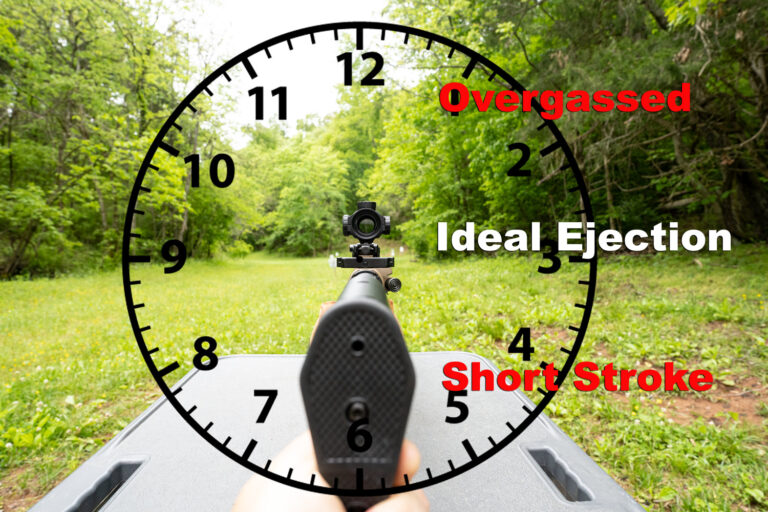
AR15 Ejection Pattern What's Wrong With Your Rifle?
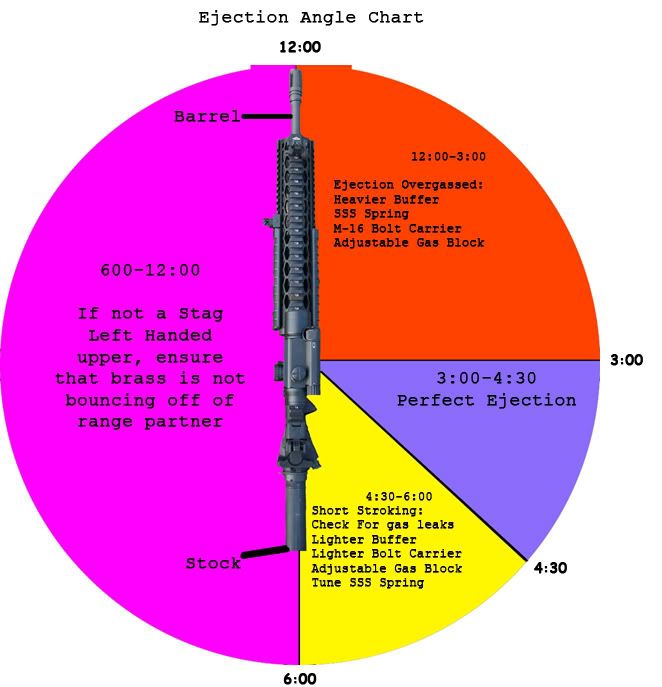
AR15 Buffer Weights What The Difference Is, and How to Choose 80

AR15 Ejection Patterns Wideners Shooting, Hunting & Gun Blog
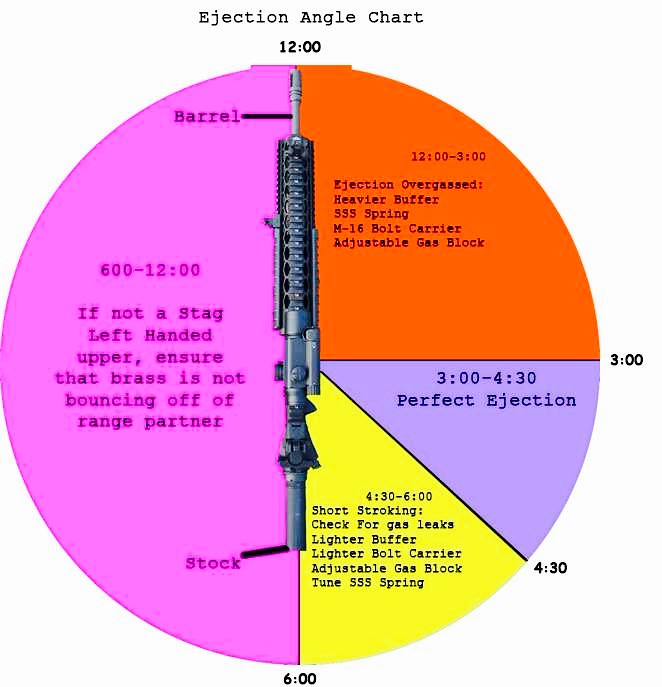
Best way of changing ejection pattern

Ar15 Ejection Pattern Chart
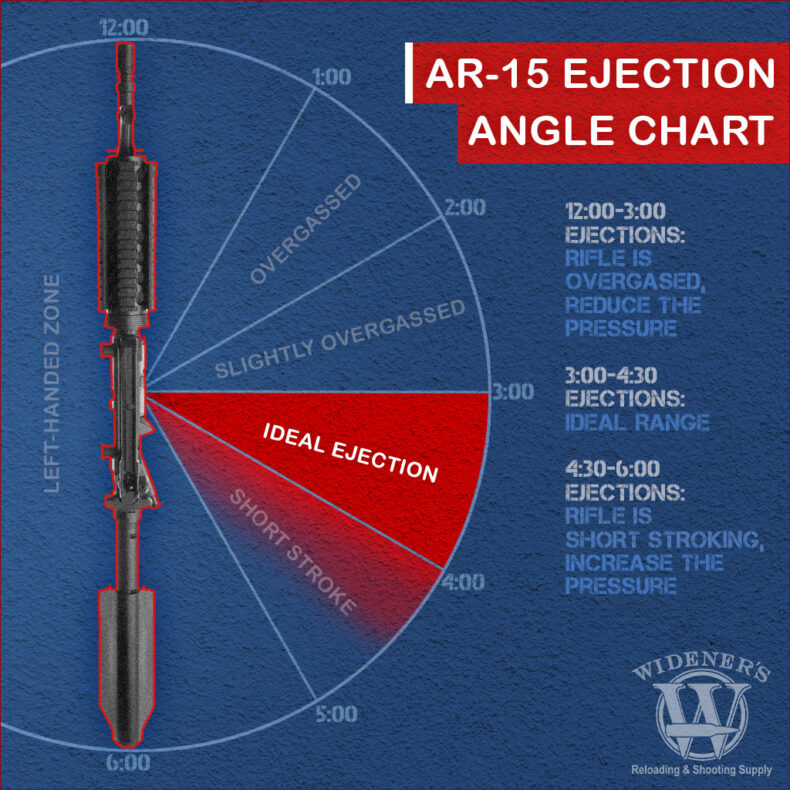
AR15 Ejection Patterns Wideners Shooting, Hunting & Gun Blog

AR15 Buffer Weights Explained Spec Ops Gear

AR15 Ejection Pattern Tips and Tricks YouTube
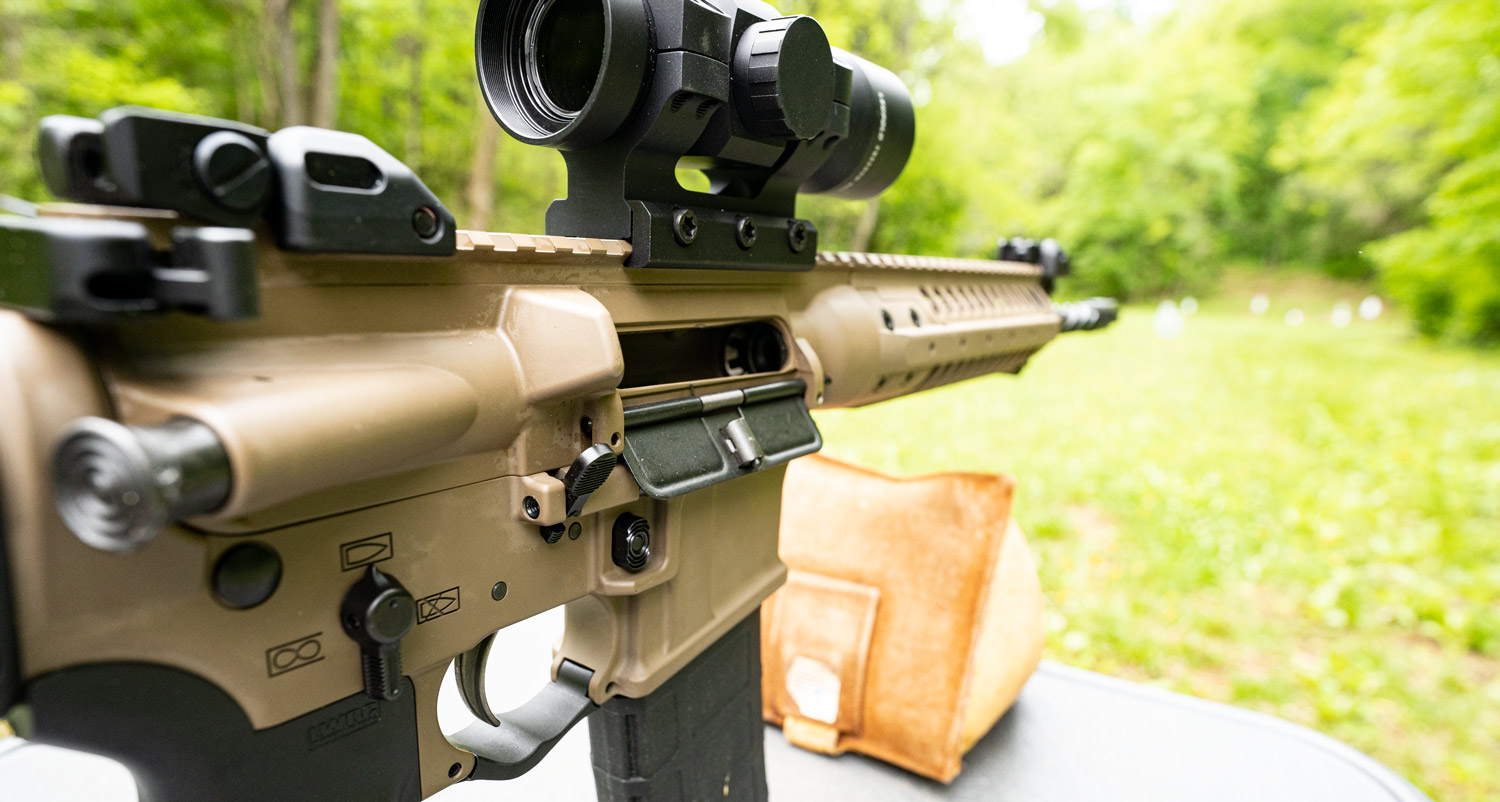
AR15 Ejection Pattern What's Wrong With Your Rifle?
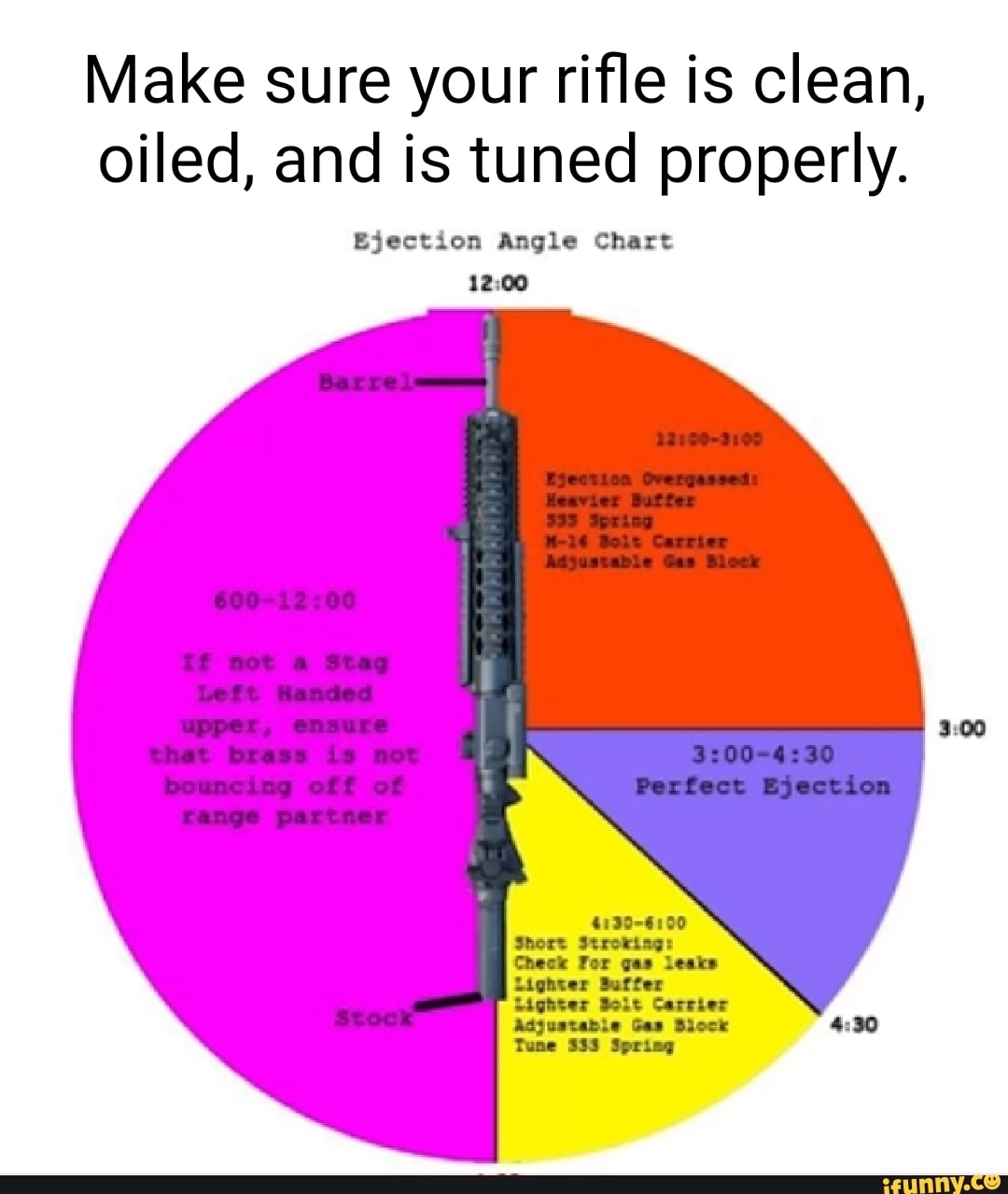
Ar 15 Ejection Angle Chart
Most Dpms Pattern 308 Bcg's Have 2 Gas Exhaust Ports On The Bolt, And Given How Far The Ar15 Gas Tube Extends Into The Gas Key, That Is Just Fine.
Obviously, The Carrier’s Opening Velocity Is Subject To Differences In Ammunition.
While Most Ar15 Gas Blocks Are Fixed, And The Only Thing You Can Tweak Is The Rest Of The Gun.
And It Is Clearly Fine, Your Ejection Pattern May Be Influenced By The Gas Use Of Your Combo Set Up.
Related Post: