
Blue Yeti Mic Pattern Settings
Blue Yeti Mic Pattern Settings - Web you can adjust the microphone’s gain level and sensitivity by turning the gain knob clockwise or counterclockwise, and choose from four different polar patterns (cardioid, bidirectional, omnidirectional, and stereo) that have been created with different recording purposes in mind by turning the pattern selector knob. Use a pop filter or windscreen to stop plosives. You can also adjust the angle of the mic to reduce background noise. Web use one microphone per person. This means you have to configure it properly to pick up an acceptable amount of noise. In a way, this is the best mode for a cleaner sound with more subtle highs. Third, use a shock mount to reduce handling noise. Web for a clearer listening experience, turn up the volume knob. Web the four polar pattern settings available in the blue yeti microphone are cardioid, stereo, omnidirectional, and bidirectional. As a condenser microphone, the blue yeti has a frequency response of 20hz to 20khz, which is sensitive enough to pick up even the faintest sound in the surroundings. Web you can adjust the microphone’s gain level and sensitivity by turning the gain knob clockwise or counterclockwise, and choose from four different polar patterns (cardioid, bidirectional, omnidirectional, and stereo) that have been created with different recording purposes in mind by turning the pattern selector knob. In a way, this is the best mode for a cleaner sound with more subtle highs. As a condenser microphone, the blue yeti has a frequency response of 20hz to 20khz, which is sensitive enough to pick up even the faintest sound in the surroundings. Avoid direct contact between the blue yeti mic and your desktop. Choose the best blue yeti settings. Web for a clearer listening experience, turn up the volume knob. Web the four blue yeti microphone patterns or modes are bidirectional, cardioid, omnidirectional, and stereo. Third, use a shock mount to reduce handling noise. Speak into the sensitive side of the blue yeti. This means you have to configure it properly to pick up an acceptable amount of noise. Choose the best blue yeti settings. Each blue yeti pattern changes the microphone’s direction of maximum sensitivity and the direction or directions of maximum sound rejection. Web best blue yeti settings. Web use one microphone per person. In a way, this is the best mode for a cleaner sound with more subtle highs. Web for best results, place the mic about six inches from your mouth. Use a pop filter or windscreen to stop plosives. This means you have to configure it properly to pick up an acceptable amount of noise. As a condenser microphone, the blue yeti has a frequency response of 20hz to 20khz, which is sensitive enough to pick up. Web the four blue yeti microphone patterns or modes are bidirectional, cardioid, omnidirectional, and stereo. This means you have to configure it properly to pick up an acceptable amount of noise. Web the four polar pattern settings available in the blue yeti microphone are cardioid, stereo, omnidirectional, and bidirectional. Web for a clearer listening experience, turn up the volume knob.. Web best blue yeti settings. Web for best results, place the mic about six inches from your mouth. Let’s take a look at what each mode does so that you have a better understanding of what the blue yeti mic is capable of. Each blue yeti pattern changes the microphone’s direction of maximum sensitivity and the direction or directions of. Web for a clearer listening experience, turn up the volume knob. As a condenser microphone, the blue yeti has a frequency response of 20hz to 20khz, which is sensitive enough to pick up even the faintest sound in the surroundings. Web the four polar patterns (or modes) offered by the blue yeti microphone are: Each blue yeti pattern changes the. Avoid direct contact between the blue yeti mic and your desktop. Web you can adjust the microphone’s gain level and sensitivity by turning the gain knob clockwise or counterclockwise, and choose from four different polar patterns (cardioid, bidirectional, omnidirectional, and stereo) that have been created with different recording purposes in mind by turning the pattern selector knob. Let’s take a. Web in this video i show you the blue yeti pickup patterns that your microphone can be set to in order to achieve the ideal r. Avoid direct contact between the blue yeti mic and your desktop. Web the four polar patterns (or modes) offered by the blue yeti microphone are: Use a pop filter or windscreen to stop plosives.. Web for best results, place the mic about six inches from your mouth. Avoid direct contact between the blue yeti mic and your desktop. Third, use a shock mount to reduce handling noise. Web use one microphone per person. Use a pop filter or windscreen to stop plosives. Each blue yeti pattern changes the microphone’s direction of maximum sensitivity and the direction or directions of maximum sound rejection. Web for a clearer listening experience, turn up the volume knob. Choose the best blue yeti settings. Speak into the sensitive side of the blue yeti. Avoid direct contact between the blue yeti mic and your desktop. Web for best results, place the mic about six inches from your mouth. Each blue yeti pattern changes the microphone’s direction of maximum sensitivity and the direction or directions of maximum sound rejection. Web the four polar pattern settings available in the blue yeti microphone are cardioid, stereo, omnidirectional, and bidirectional. Use a pop filter or windscreen to stop plosives.. Web best blue yeti settings. In a way, this is the best mode for a cleaner sound with more subtle highs. Web in this video i show you the blue yeti pickup patterns that your microphone can be set to in order to achieve the ideal r. Use a pop filter or windscreen to stop plosives. Web use one microphone per person. Second, use pop filters or windscreens to reduce plosives and breath noise. Avoid direct contact between the blue yeti mic and your desktop. You can also adjust the angle of the mic to reduce background noise. As a condenser microphone, the blue yeti has a frequency response of 20hz to 20khz, which is sensitive enough to pick up even the faintest sound in the surroundings. Let’s take a look at what each mode does so that you have a better understanding of what the blue yeti mic is capable of. Web for a clearer listening experience, turn up the volume knob. Web for best results, place the mic about six inches from your mouth. Web the four polar patterns (or modes) offered by the blue yeti microphone are: Web you can adjust the microphone’s gain level and sensitivity by turning the gain knob clockwise or counterclockwise, and choose from four different polar patterns (cardioid, bidirectional, omnidirectional, and stereo) that have been created with different recording purposes in mind by turning the pattern selector knob. Only use the cardioid pattern. This means you have to configure it properly to pick up an acceptable amount of noise.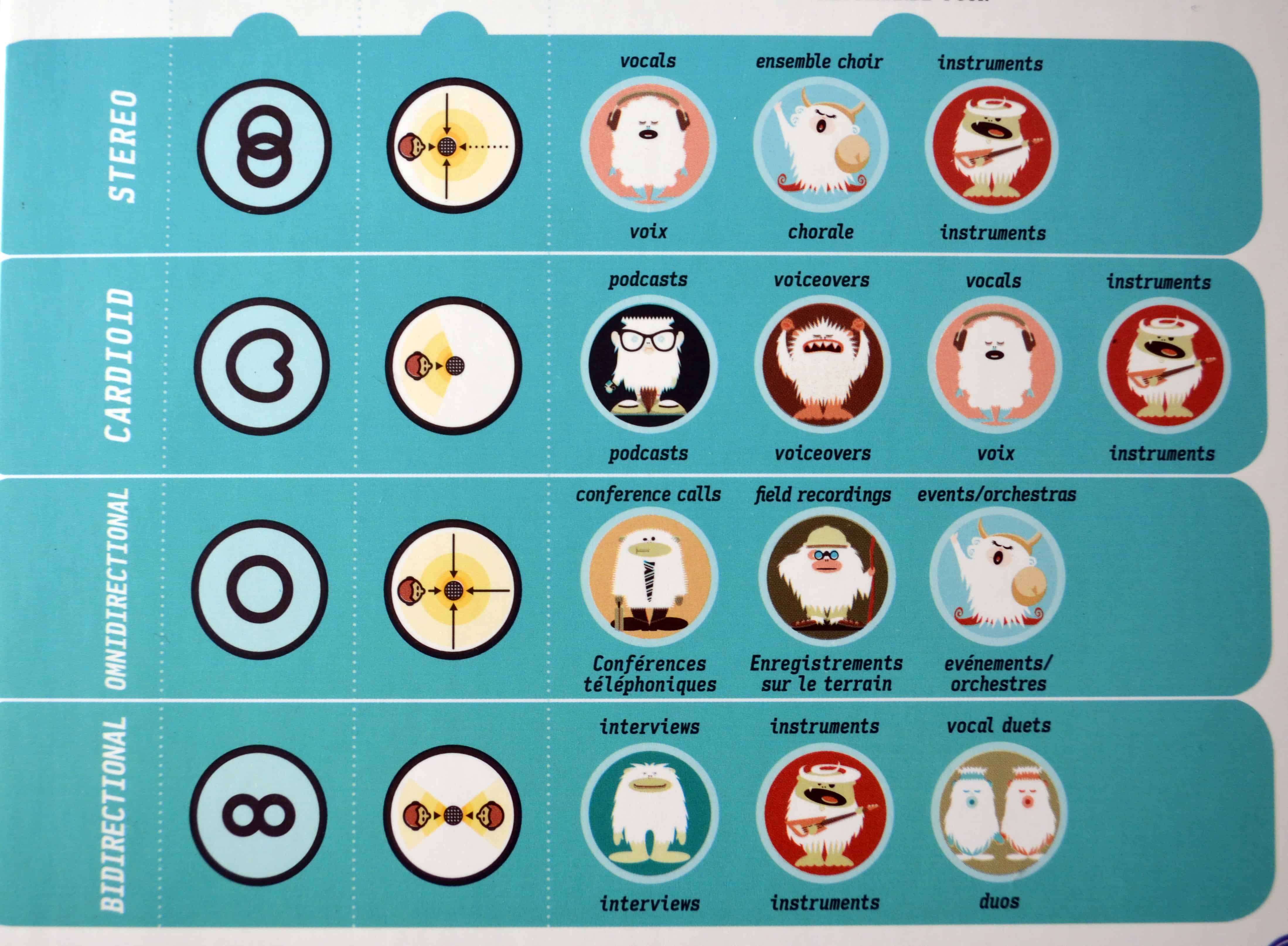
Blue Microphones Yeti Review

Blue Yeti Tutorial How To Use The Blue Yeti Microphone To Get Clear
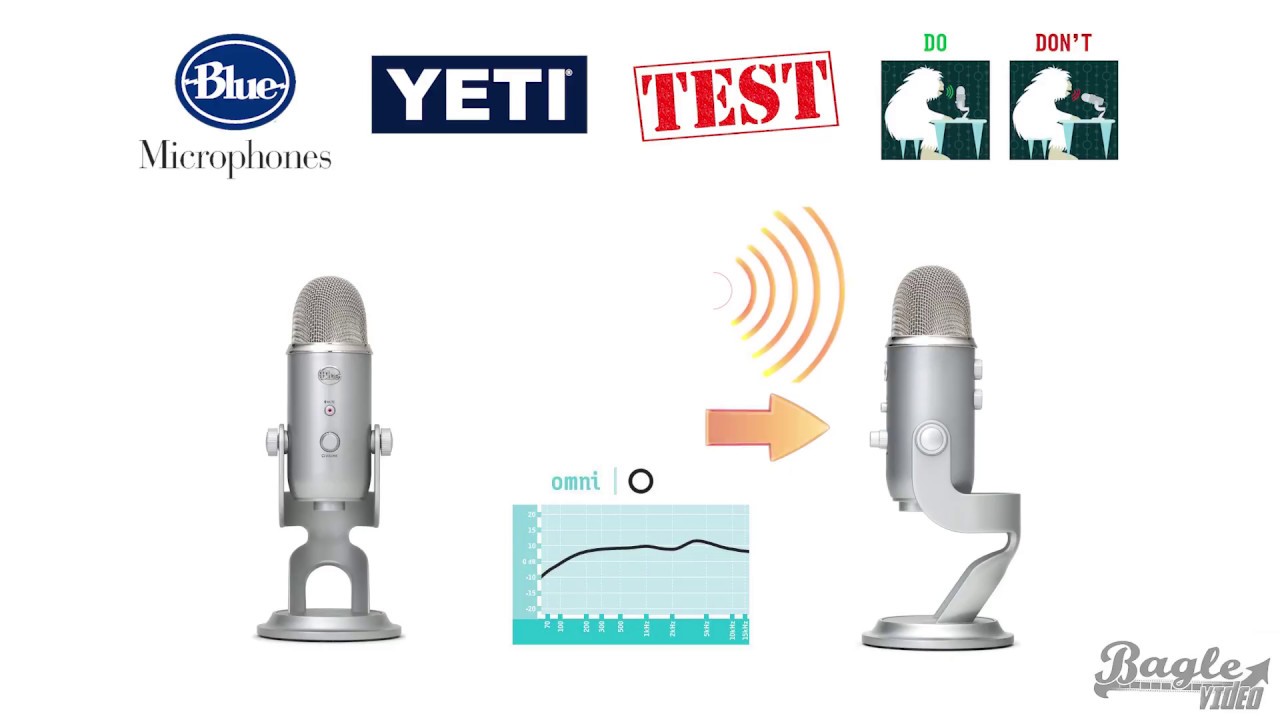
Blue Yeti How To Use Your Microphone Record Settings 90 Second
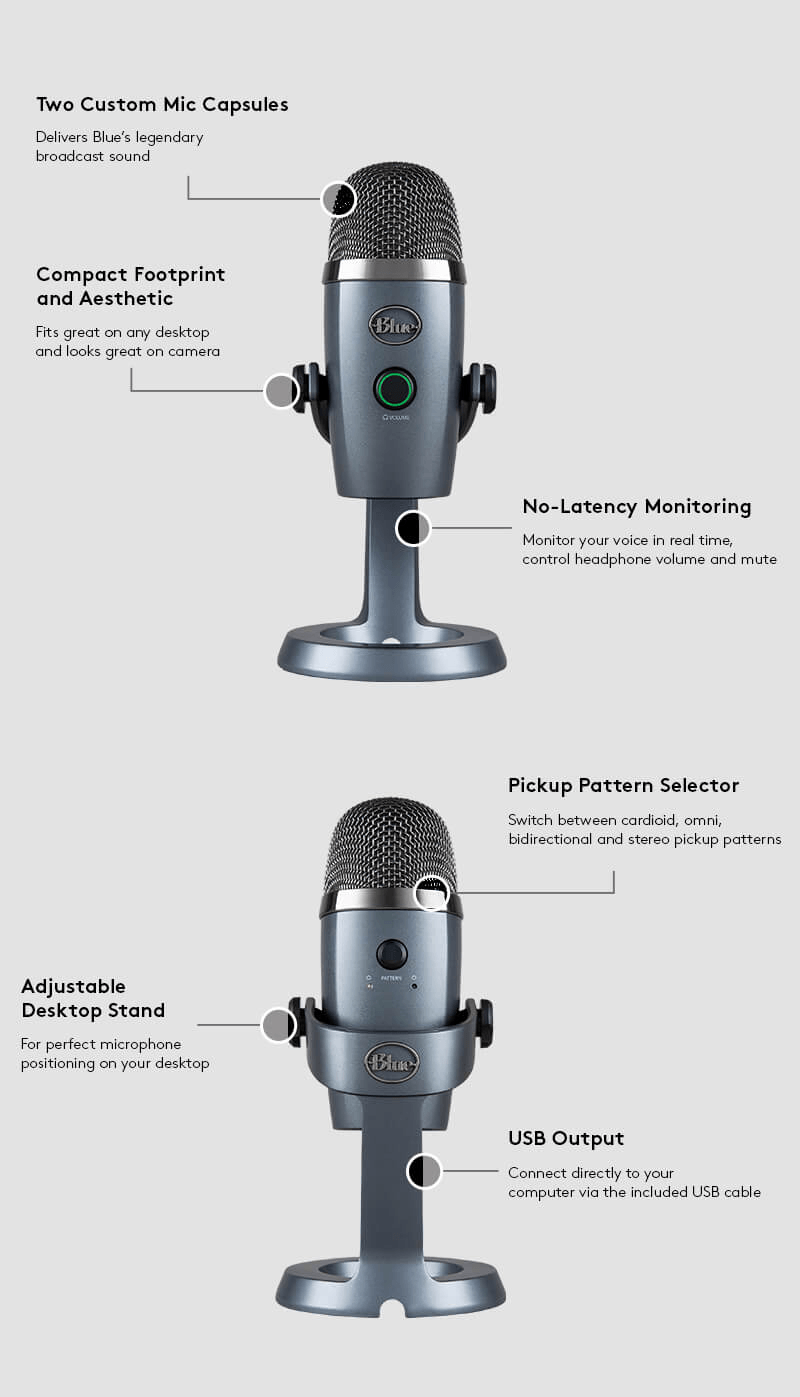
All About Blue Yeti Mic Pattern Settings Hollyland

Blue Yeti Microphone Vintage White Ultimate Edition UnBoxing & Review

Best Settings For Blue Yeti Microphone Guide) (2022)

How to Make Your Blue Yeti Sound Like a Professional Studio Mic [BEST
![Best Settings For Blue Yeti Microphone [Expert Guide]](https://www.becomesingers.com/wp-content/uploads/2020/10/Blue-Yeti-Pattern-Settings.png)
Best Settings For Blue Yeti Microphone [Expert Guide]
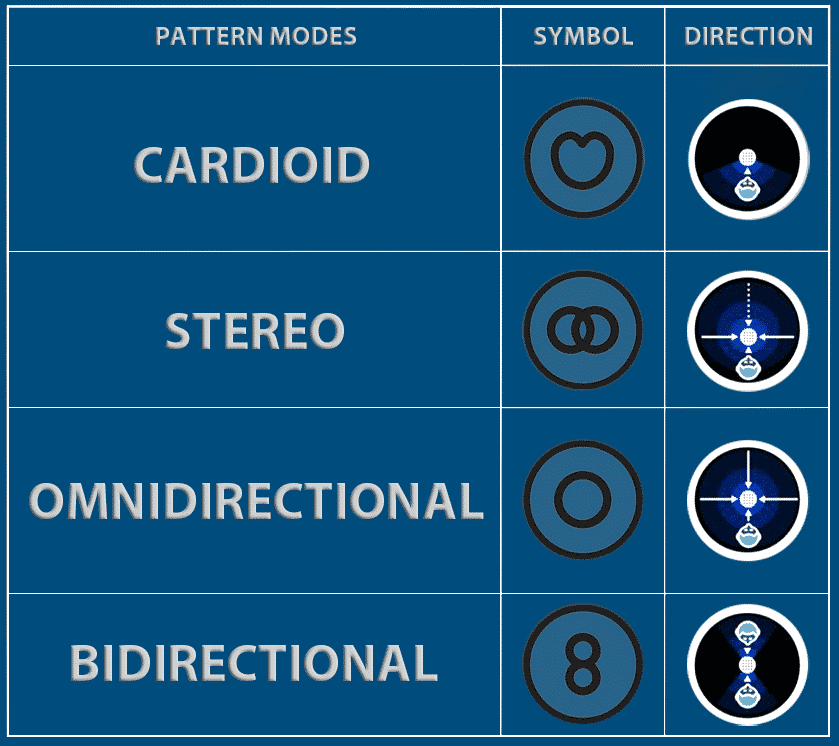
Blue Yeti Microphone How To Set Up Dubois Knowell
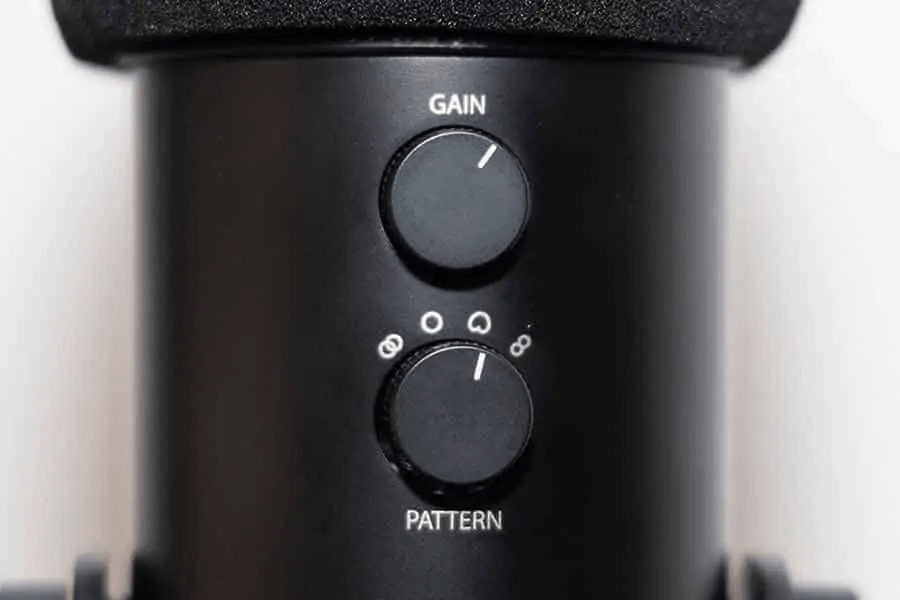
All About Blue Yeti Mic Pattern Settings Hollyland
Speak Into The Sensitive Side Of The Blue Yeti.
Third, Use A Shock Mount To Reduce Handling Noise.
Web The Four Polar Pattern Settings Available In The Blue Yeti Microphone Are Cardioid, Stereo, Omnidirectional, And Bidirectional.
Each Blue Yeti Pattern Changes The Microphone’s Direction Of Maximum Sensitivity And The Direction Or Directions Of Maximum Sound Rejection.
Related Post: