
Cherokee Basket Patterns
Cherokee Basket Patterns - The patterns are geometrical and can be somewhat. They are used in different combinations and on different materials to. Web in the hands of cherokee basket weavers, four plants—black walnut, bloodroot, yellowroot, and butternut—provide endless variation. Walnut hulls were used to dye the rivercane and to. Web although its maker is not known, the form, material, technique, and pattern are typical of cherokee basketry made between the 1920s and the present. There is at least one picture of a cherokee basket from the 17th century. The interlocking handle of this basket is woven into the form, providing strength and stability. Some basket styles featured beautifully crafted lids, handles, and accents. The dark brown color is probably from walnut hulls and the orange from bloodroot, both dyes common to cherokee makers. A european painting, the treasures of america, depicts a round basket at the foot of a trio of native cherubs. The natural aeration of the single weave allows the stored goods to remain dry. Some cherokee basket weaves are even waterproof. Web baskets were made by the cherokee people for a wide variety of reasons and purposes and in many unique shapes and sizes. Each clan had distinct basket patterns which were woven in honor of “ka no he lv hi,” the old ways. Web although its maker is not known, the form, material, technique, and pattern are typical of cherokee basketry made between the 1920s and the present. With its diagonal weave, the basket appears to be rivercane. Learn about the natural materials that the cherokee use to weave and dye baskets. Gain an appreciation for cherokee culture by learning about the importance of basket making in cherokee culture. 4/5 (51 reviews) Some basket styles featured beautifully crafted lids, handles, and accents. What remains from tradition is the material, the single weave technique, and the coloration of the basket. Web although its maker is not known, the form, material, technique, and pattern are typical of cherokee basketry made between the 1920s and the present. Patterns develop both from the weave, and from the use of dye, here black walnut and pokeweed berries.. Butternut bark was used to achieve a dark color; Web cherokee basketry often features patterns like diamond twill, double wall baskets, and river cane weave. Some basket styles featured beautifully crafted lids, handles, and accents. Web according to research conducted by scholar sarah h. Large baskets that taper inward like this one were often used to store corn. Each clan had distinct basket patterns which were woven in honor of “ka no he lv hi,” the old ways. Crafting a white oak basket requires enormous amounts of time and patience. Web reproduction of richardson baskets by carol welch. The weave design is an example of the traditional cherokee pattern known as double peace pipe, with the pipes interlocking. Southeastern cherokee women and their basketry, by the 1930s, ethnographers identified and named nearly two dozen basket patterns traditionally woven by the eastern band of cherokee. This video tutorial will show you how to weave a flat mat using the traditional cherokee pattern called “chief’s daughter.” cherokee people use materials gathered from nature to make flat reed to weave into. Web make your own cherokee style bushel basket with your diy kit and tutorials. In order to create darker colors, baskets were boiled with black walnut or bloodroot. The natural aeration of the single weave allows the stored goods to remain dry. Learn about the natural materials that the cherokee use to weave and dye baskets. The interlocking handle of. The pattern is called the arrow point or fishbone design. Baskets like this one were made to store domestic goods, from dry foodstuffs to clothing. Southeastern cherokee women and their basketry, by the 1930s ethnographers identified and named nearly two dozen basket patterns traditionally woven by the eastern band of cherokee. Rivercane is woven using two methods: Patterns develop both. Crafting a white oak basket requires enormous amounts of time and patience. In order to create darker colors, baskets were boiled with black walnut or bloodroot. Southeastern cherokee women and their basketry, by the 1930s, ethnographers identified and named nearly two dozen basket patterns traditionally woven by the eastern band of cherokee. With its diagonal weave, the basket appears to. The cooperative is located in the historic district of cherokee, nc, a gateway to great smoky mountains national park and blue ridge parkway. Shop our huge selectionfast shippingread ratings & reviewsdeals of the day Web check out our cherokee baskets selection for the very best in unique or custom, handmade pieces from our baskets shops. Single weave and double weave.. A single weave basket, the rivercane was woven upward from a square base. Baskets like this one were made to store domestic goods, from dry foodstuffs to clothing. With its diagonal weave, the basket appears to be rivercane. In order to create darker colors, baskets were boiled with black walnut or bloodroot. Web the basket is woven up from a. Butternut bark was used to achieve a dark color; Gain an appreciation for cherokee culture by learning about the importance of basket making in cherokee culture. Patterns develop both from the weave, and from the use of dye, here black walnut and pokeweed berries. Rivercane is woven using two methods: The patterns are geometrical and can be somewhat. Web although its maker is not known, the form, material, technique, and pattern are typical of cherokee basketry made between the 1920s and the present. The dark brown color is probably from walnut hulls and the orange from bloodroot, both dyes common to cherokee makers. Large baskets that taper inward like this one were often used to store corn. Hill for the book, weaving new worlds: The cooperative is located in the historic district of cherokee, nc, a gateway to great smoky mountains national park and blue ridge parkway. The natural aeration of the single weave allows the stored goods to remain dry. Web baskets were made by the cherokee people for a wide variety of reasons and purposes and in many unique shapes and sizes. Beadwork is a popular form of cherokee indian art and is used to create jewelry, moccasins, and ceremonial regalia. In order to create darker colors, baskets were boiled with black walnut or bloodroot. Hill for the book, weaving new worlds: The weave design is an example of the traditional cherokee pattern known as double peace pipe, with the pipes interlocking on the diagonal. Shop our huge selectionfast shippingread ratings & reviewsdeals of the day Rivercane is woven using two methods: Patterns develop both from the weave, and from the use of dye, here black walnut and pokeweed berries. Walnut hulls were used to dye the rivercane and to. The pattern is called the arrow point or fishbone design.
Untitled Cherokee Heart Basket weaving patterns, Basket weaving

Peggy’s Baskets Cherokee Baskets Basket weaving, Weaving patterns

Large Cherokee Wheel Basket by WattaBasketCase on Etsy Basket weaving

Handcrafted Cherokee baskets from white oak and natural dyes Native

How to Cherokee Basket Weaving YouTube

Cherokee Wheels Basket purple based on a pattern by Patricia Yunkes

cherokee double wall basket Basket weaving, Baskets on wall, Basket
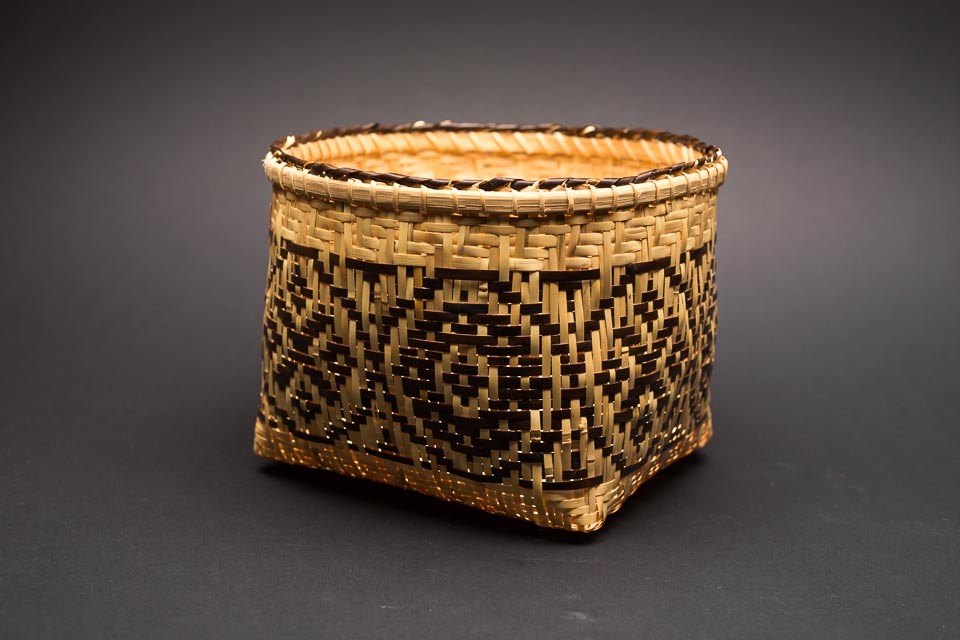
X&O Single Weave Rivercane Basket * Authentically Cherokee

cherokee circle matchstick rim Basket weaving patterns, Basket

Handwoven Cherokee style basket Basket weaving, Basket design, Native
They Are Used In Different Combinations And On Different Materials To.
Butternut Bark Was Used To Achieve A Dark Color;
Baskets Like This One Were Made To Store Domestic Goods, From Dry Foodstuffs To Clothing.
The Patterns Are Geometrical And Can Be Somewhat.
Related Post: