
German Splinter Pattern
German Splinter Pattern - Web the two main patterns of splinter we will be looking at are heeressplittertarnmuster 31 and luftwaffesplittertarnmuster 41, where the number at the end of the name denotes the year of its deployment. Fabric can be used to make uniforms, tents, etc. The first pattern, splittertarnmuster (splinter camouflage pattern), was designed in 1931 and was initially intended for zeltbahn shelter halves. Web german army and airforce patterns. Made from cotton shell and lining, with cotton padding. Web during the 1950s and 1960s primarily, germany produced several variations of the ww2 era splittermuster designs. Please remember i'm not doing a 1:1 replica of the original pattern but a version suited to be viewed at gaming distance. Web german ww2 splinter camouflage cloth. Web this authentic reproduction german wwii splinter camo jacket is reversible to a white winter uniform. The first pattern, splittertarnmuster (splinter camouflage pattern), was designed in 1931 and was initially intended. Web german world war ii camouflage patterns formed a family of disruptively patterned military camouflage designs for clothing, used and in the main designed during the second world war. Web german army (bundeswehr) camouflage patterns. Please remember i'm not doing a 1:1 replica of the original pattern but a version suited to be viewed at gaming distance. Web in this video, i look at painting splittermuster, one of the most basic german wwii camouflage patterns. From start to finish, this video will teach you. It was first printed on the newly designed and issued triangular tent/poncho called. Web developed in 1931 and issued between 1932 and 1945, the splittermuster pattern is the classic ww2 german heer (army) camouflage pattern, although it was also used by the luftwaffe and fallschirmjäger. Most were issued in one colour scheme. Sold by the meter in. Army patterns follow a relatively simple development path with each pattern having a clear link to the predecessor. Army patterns follow a relatively simple development path with each pattern having a clear link to the predecessor. Variants of this pattern were used through much of the war and by many different soldiers. Web the two main patterns of splinter we will be looking at are heeressplittertarnmuster 31 and luftwaffesplittertarnmuster 41, where the number at the end of the. The first pattern, splittertarnmuster (splinter camouflage pattern), was designed in 1931 and was initially intended for zeltbahn shelter halves. Web the two main patterns of splinter we will be looking at are heeressplittertarnmuster 31 and luftwaffesplittertarnmuster 41, where the number at the end of the name denotes the year of its deployment. Variants of this pattern were used through much. Please remember i'm not doing a 1:1 replica of the original pattern but a version suited to be viewed at gaming distance. Web a few people have asked me to do a quick tutorial about my approach to wwii splinter pattern or officially buntfarbenmuster 31. Web this authentic reproduction german wwii splinter camo jacket is reversible to a white winter. Web during the 1950s and 1960s primarily, germany produced several variations of the ww2 era splittermuster designs. Variants of this pattern were used through much of the war and by many different soldiers. Please remember i'm not doing a 1:1 replica of the original pattern but a version suited to be viewed at gaming distance. Web german army (bundeswehr) camouflage. Web german army (bundeswehr) camouflage patterns. Web the two main patterns of splinter we will be looking at are heeressplittertarnmuster 31 and luftwaffesplittertarnmuster 41, where the number at the end of the name denotes the year of its deployment. Most were issued in one colour scheme. These are patterned, sized and color matched to original examples. Finely made ww2 german. The first pattern, splittertarnmuster (splinter camouflage pattern), was designed in 1931 and was initially intended. Finely made ww2 german splinter camo. Army patterns follow a relatively simple development path with each pattern having a clear link to the predecessor. Web in this video, i look at painting splittermuster, one of the most basic german wwii camouflage patterns. Web developed in. Made from cotton shell and lining, with cotton padding. It was first printed on the newly designed and issued triangular tent/poncho called. Web the two main patterns of splinter we will be looking at are heeressplittertarnmuster 31 and luftwaffesplittertarnmuster 41, where the number at the end of the name denotes the year of its deployment. Web german army and airforce. From start to finish, this video will teach you. The german army was not the first to issue camouflage to soldiers but they were the first to issue it to every soldier. Army patterns follow a relatively simple development path with each pattern having a clear link to the predecessor. The first pattern, splittertarnmuster (splinter camouflage pattern), was designed in. Web german world war ii camouflage patterns formed a family of disruptively patterned military camouflage designs for clothing, used and in the main designed during the second world war. Web german army and airforce patterns. Web a few people have asked me to do a quick tutorial about my approach to wwii splinter pattern or officially buntfarbenmuster 31. Please remember. Web the two main patterns of splinter we will be looking at are heeressplittertarnmuster 31 and luftwaffesplittertarnmuster 41, where the number at the end of the name denotes the year of its deployment. Web german world war ii camouflage patterns formed a family of disruptively patterned military camouflage designs for clothing, used and in the main designed during the second. Finely made ww2 german splinter camo. The first pattern, splittertarnmuster (splinter camouflage pattern), was designed in 1931 and was initially intended for zeltbahn shelter halves. Web german ww2 splinter camouflage cloth. From start to finish, this video will teach you. Web german army (bundeswehr) camouflage patterns. The german army was not the first to issue camouflage to soldiers but they were the first to issue it to every soldier. Web during the 1950s and 1960s primarily, germany produced several variations of the ww2 era splittermuster designs. Web the two main patterns of splinter we will be looking at are heeressplittertarnmuster 31 and luftwaffesplittertarnmuster 41, where the number at the end of the name denotes the year of its deployment. Web german world war ii camouflage patterns formed a family of disruptively patterned military camouflage designs for clothing, used and in the main designed during the second world war. These patterns were issued both to the bundesgrenzschutz (federal border guards) and the bundeswehr (german army), although the army versions were produced in greater numbers. These are cut to fit over the german field tunics. Web in this video, i look at painting splittermuster, one of the most basic german wwii camouflage patterns. Army patterns follow a relatively simple development path with each pattern having a clear link to the predecessor. It was first printed on the newly designed and issued triangular tent/poncho called. Web this authentic reproduction german wwii splinter camo jacket is reversible to a white winter uniform. Web german army and airforce patterns.
WW2 German Splinter Pattern Zeltbahn (1) (UR/2B) (H)
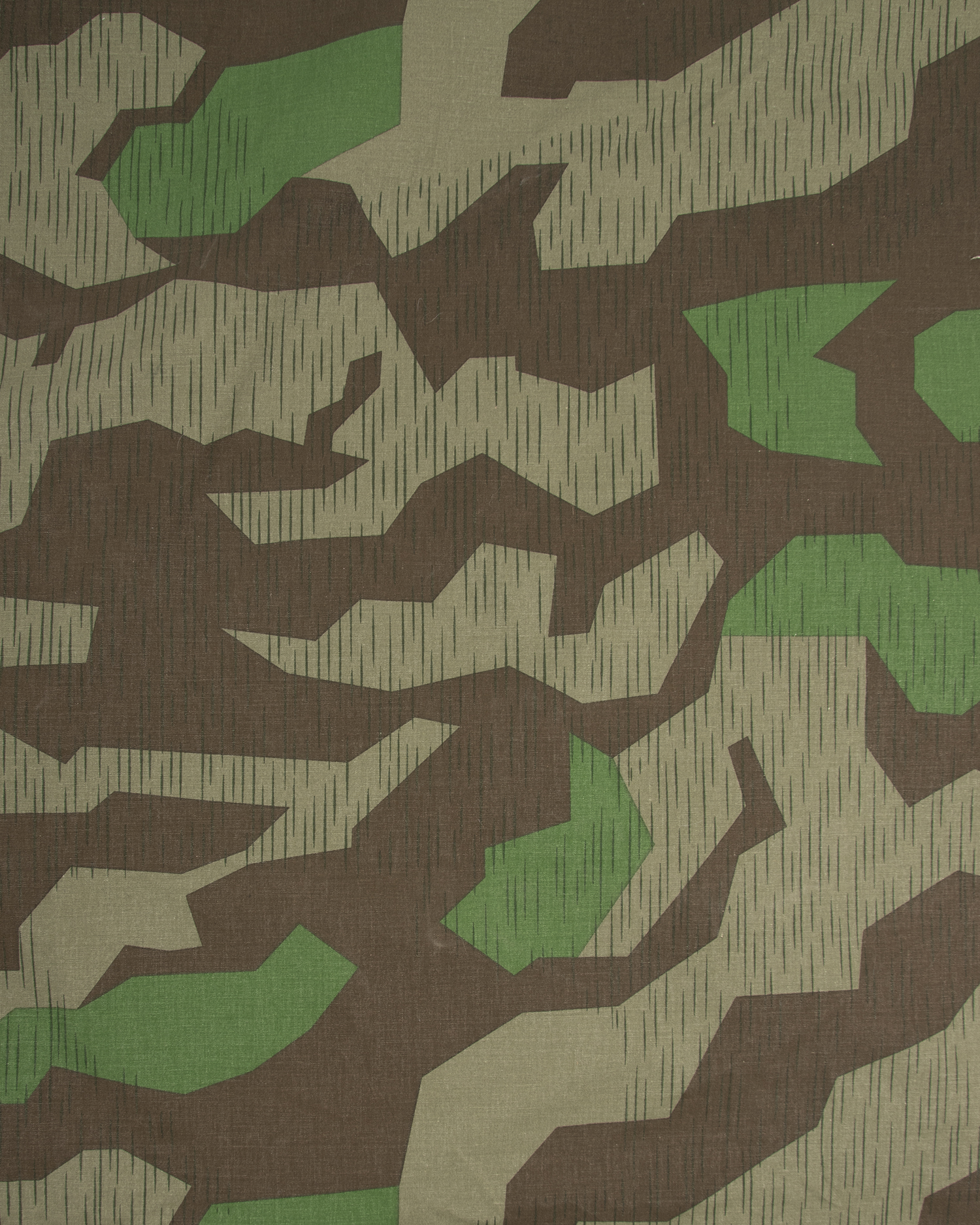
WWII German Zeltbahn, Splinter

Painters Guide 1941 German Splittermuster (Splinter Pattern) Wwii
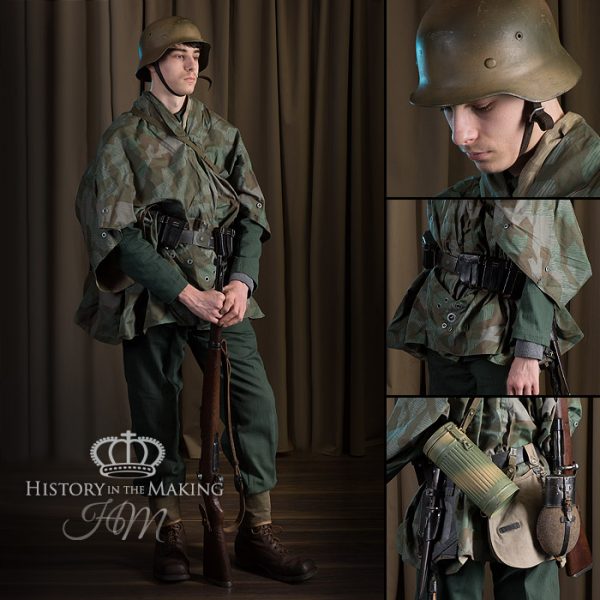
German Army InfantrySplinter Pattern Zeltbahn1944 History in the

Original German WWII Splinter Camouflage Pattern Winter Parka

WW2 German M35 M42 Splinter Pattern Camouflage Cover Blitz Militaria

Original German WWII Splinter Camouflage Pattern Winter Parka
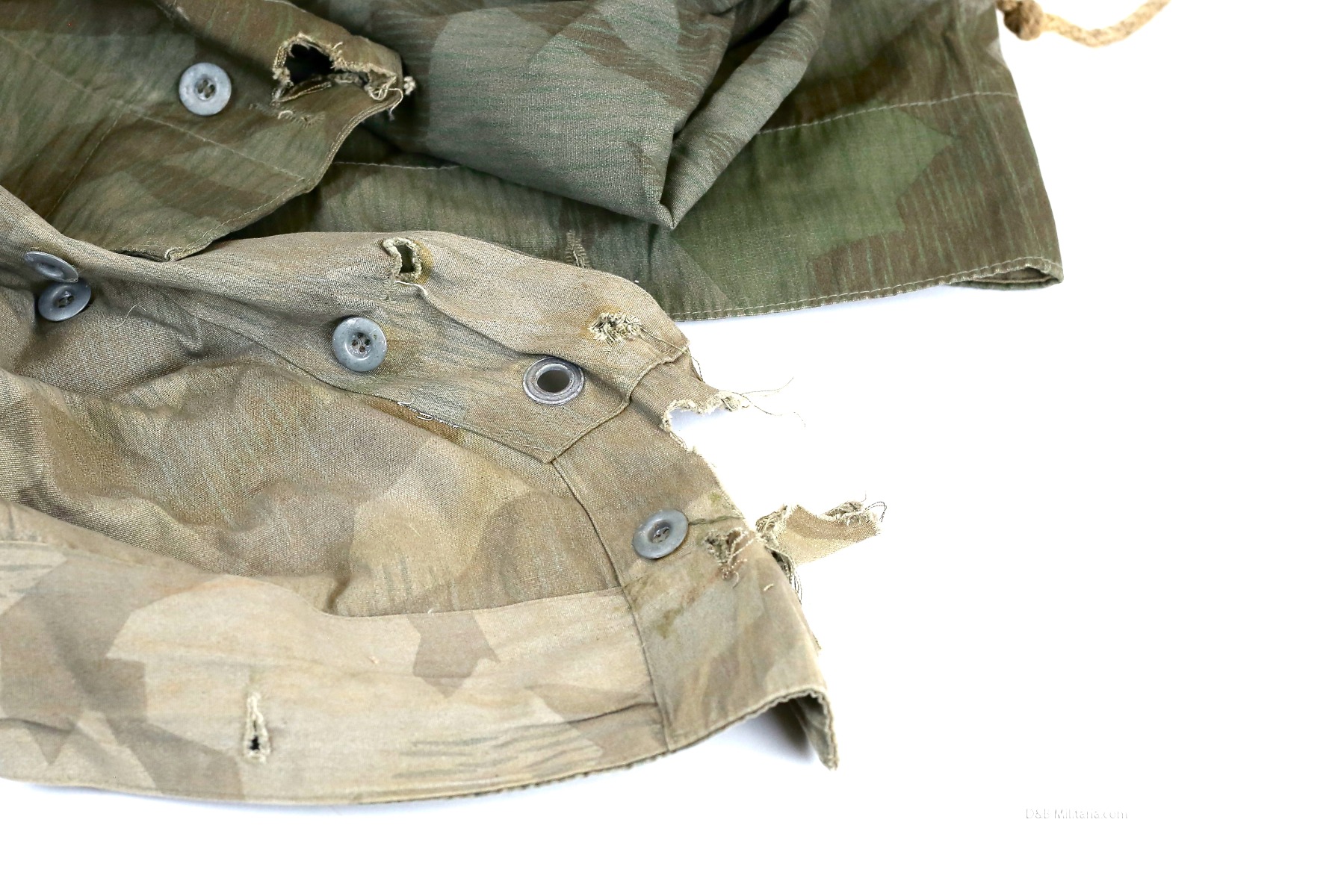
WW2 German Splinter Pattern Zeltbahn (13) (R6)
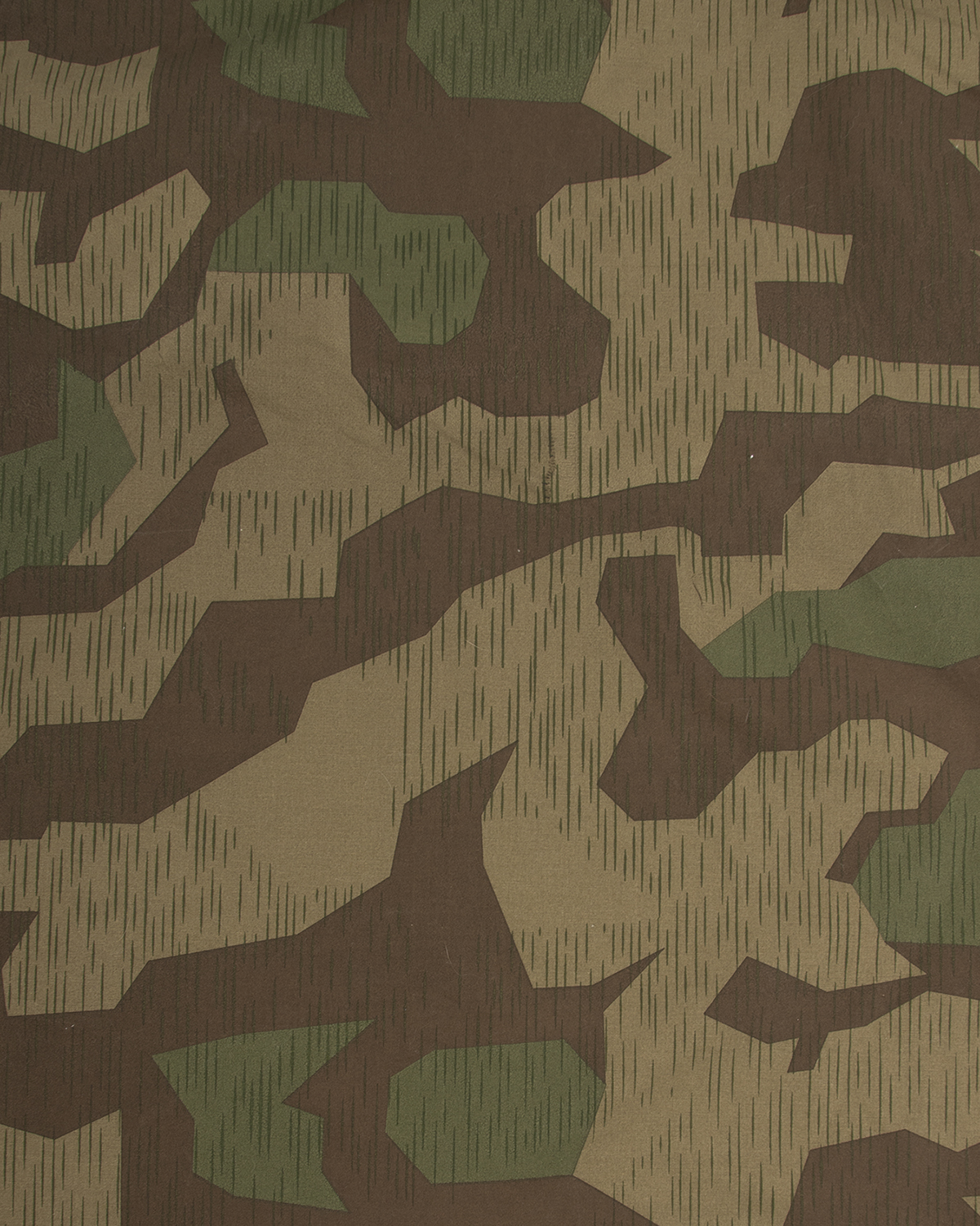
WWII German Zeltbahn, Splinter
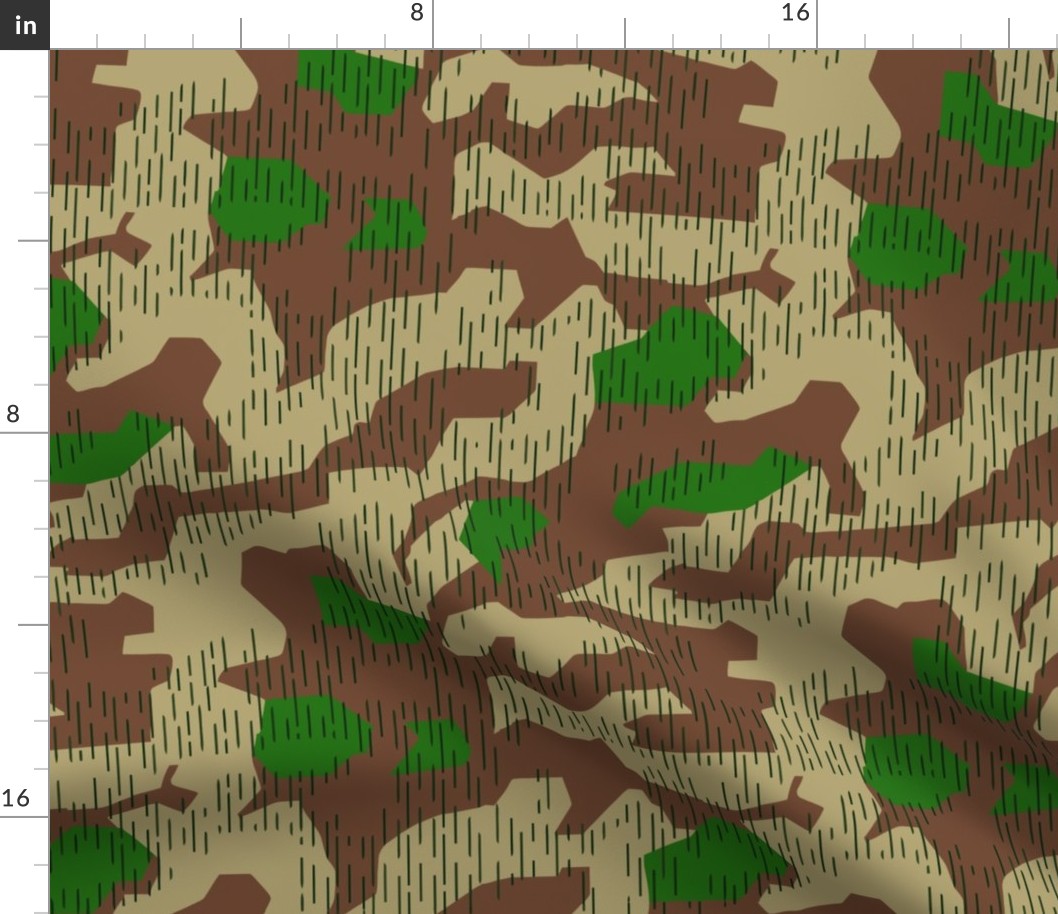
German WWII Splinter CAMO Fabric Spoonflower
Web German World War Ii Camouflage Patterns Formed A Family Of Disruptively Patterned Military Camouflage Designs For Clothing, Used And In The Main Designed During The Second World War.
Sold By The Meter In.
Fabric Can Be Used To Make Uniforms, Tents, Etc.
Variants Of This Pattern Were Used Through Much Of The War And By Many Different Soldiers.
Related Post: