
House Oil Pattern
House Oil Pattern - They include house patterns and sports patterns. Web learning how to bowl on house shots is extremely important for all bowlers. Web when you bowl league or recreation, likely the oil pattern that is applied to the lane surface is a house shot. Web how to adjust to different bowling oil patterns. A house shot has a 10:1 oil volume ratio that includes a high volume of oil in the middle of the lane (2nd arrow to 2nd arrow) and a very low volume of oil on the outside parts of the lane near the gutter. There are 8.55 ml of forward oil and 10.75 ml of reverse oil. Web the house pattern is the most commonly used oil pattern and is used in most recreational bowling centers. They are very strong and rarely used straight (or “neat”). Web the easiest oil pattern is the one that has the most oil in the middle of the lane and the least oil on the outside part of the lane. Web understanding oil patterns: House patterns vary from alley to alley, but the general idea is very much the same — more oil down the middle of the lane, less oil to the side. For measurement conversion, consult the. Web bowling oil patterns are of different types giving the lane a grip on specific points, thus changing the difficulty level. Usually, when you bowl at the local center, you’re probably bowling on the typical “house pattern” it might slightly vary from one center to another but the concept is the same. Web learning how to bowl on house shots is extremely important for all bowlers. Web generally, there are two main types of bowling oil patterns. In addition, we host social activities that allow the syc families to get to know each other off the lanes when our schedule allows. The oil volume gradually increases from gutter to the middle of. There are 8.55 ml of forward oil and 10.75 ml of reverse oil. Web lane graph & oil pattern information. Be sure to consult the “typical oil dilution” chart to the side of this page. Some of the main things to look at on the oil pattern sheet are the pattern length, total volume of oil, the 2 to 2 loads and the ratios. Web main street oil pattern v1 is 41 feet long, with 19.3 ml of oil in. Web understanding oil patterns: These are the most basic oil patterns in bowling. I asked my friend who is the house manager and he said that they doubled up on the oil outside. Web often used at recreational bowling alleys around the world, house oil patterns are designed to help beginner bowlers find the pins and get on the board.. Web the house pattern is the standard oil pattern you’ll find in any bowling center. Different bowling alleys use varied oil patterns, impacting ball behavior. You can find the pattern that is used at this event on kegel's pattern library. Web main street oil pattern v1 is 41 feet long, with 19.3 ml of oil in total. Web intermediate level. I asked my friend who is the house manager and he said that they doubled up on the oil outside. Web these include seminars focused on educating athletes and their families led by one of our team storm members and a practice session on the patterns. These are the most basic oil patterns in bowling. Web lane graph & oil. Web a house oil pattern uses just enough oil on the edges of a bowling lane to maintain traction while concentrating more oil in the middle part of the lane. These are the most basic oil patterns in bowling. Recognizing these patterns, such as the house pattern or sport pattern, is key to adjusting your bowling strategy. Web the easiest. Web understanding oil patterns: More oil in the middle and less on the outside (between the 10 board and gutter). Web learning how to bowl on house shots is extremely important for all bowlers. Web these include seminars focused on educating athletes and their families led by one of our team storm members and a practice session on the patterns.. While it might vary slightly from house to house, the general idea is the same: Web understanding oil patterns: Web intermediate level pattern specialist/lane technician john janawicz describes how to read an oil pattern sheet and how it can impact your game. Bowling lanes are usually covered with house oil patterns during league and recreational bowling. For measurement conversion, consult. Web often used at recreational bowling alleys around the world, house oil patterns are designed to help beginner bowlers find the pins and get on the board. Recognizing these patterns, such as the house pattern or sport pattern, is key to adjusting your bowling strategy. They include house patterns and sports patterns. Bowling lanes are usually covered with house oil. Bowling lanes are usually covered with house oil patterns during league and recreational bowling. Web the most commonly used oil pattern in bowling centers is the ‘house pattern”. Understanding oil patterns can help you correct your movements as you play, so that is easy for you to. There are 8.55 ml of forward oil and 10.75 ml of reverse oil.. More oil in the middle and less on the outside (between the 10 board and gutter). Web bowling oil patterns are of different types giving the lane a grip on specific points, thus changing the difficulty level. These oil patterns are designed for recreational bowlers and are called “house patterns.” They include house patterns and sports patterns. In addition, we. The house pattern is designed to give you a larger margin of error. Web the easiest oil pattern is the one that has the most oil in the middle of the lane and the least oil on the outside part of the lane. A house shot has a 10:1 oil volume ratio that includes a high volume of oil in the middle of the lane (2nd arrow to 2nd arrow) and a very low volume of oil on the outside parts of the lane near the gutter. Usually, when you bowl at the local center, you’re probably bowling on the typical “house pattern” it might slightly vary from one center to another but the concept is the same. Web final squads of qualifying are underway at the 2024 storm san marino open. Web the house pattern is the standard oil pattern you’ll find in any bowling center. Web how to adjust to different bowling oil patterns. Web you need oil to help control how much your ball hooks and to help you strike consistently. Web bowling oil patterns are of different types giving the lane a grip on specific points, thus changing the difficulty level. You can find the pattern that is used at this event on kegel's pattern library. Web generally, there are two main types of bowling oil patterns. Web often used at recreational bowling alleys around the world, house oil patterns are designed to help beginner bowlers find the pins and get on the board. Bowling lanes are usually covered with house oil patterns during league and recreational bowling. Typically, you will see, a higher volume of oil is applied to the center of the bowling lane and less towards the outside that is close to the gutters. Some of the main things to look at on the oil pattern sheet are the pattern length, total volume of oil, the 2 to 2 loads and the ratios. Web when you bowl league or recreation, likely the oil pattern that is applied to the lane surface is a house shot.
Bowling Lane Oil Patterns...
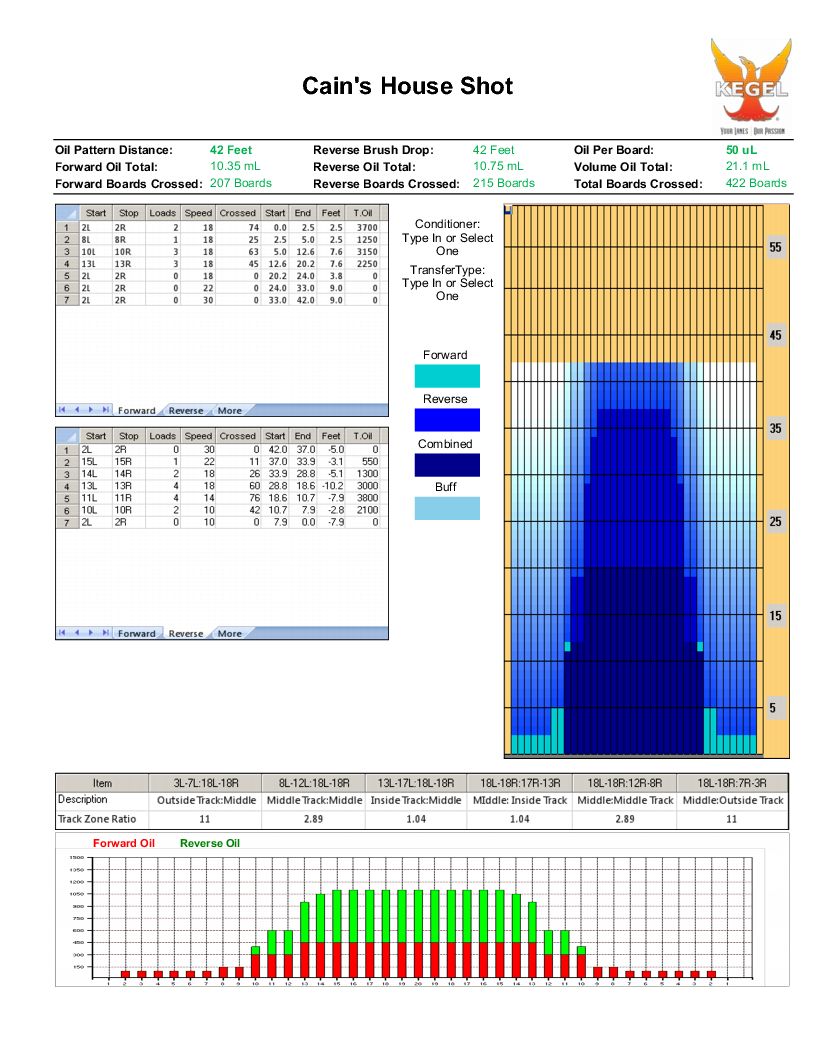
League Oil Pattern Cain's Lanes Bowling Center Manheim PA

What Is a House Oil Pattern in Bowling and How Should You Play One
/Bowling_ball_pins_lane_10196287-56a0b49d5f9b58eba4b2f8bf.jpg)
Standard Bowling "House" Oil Pattern
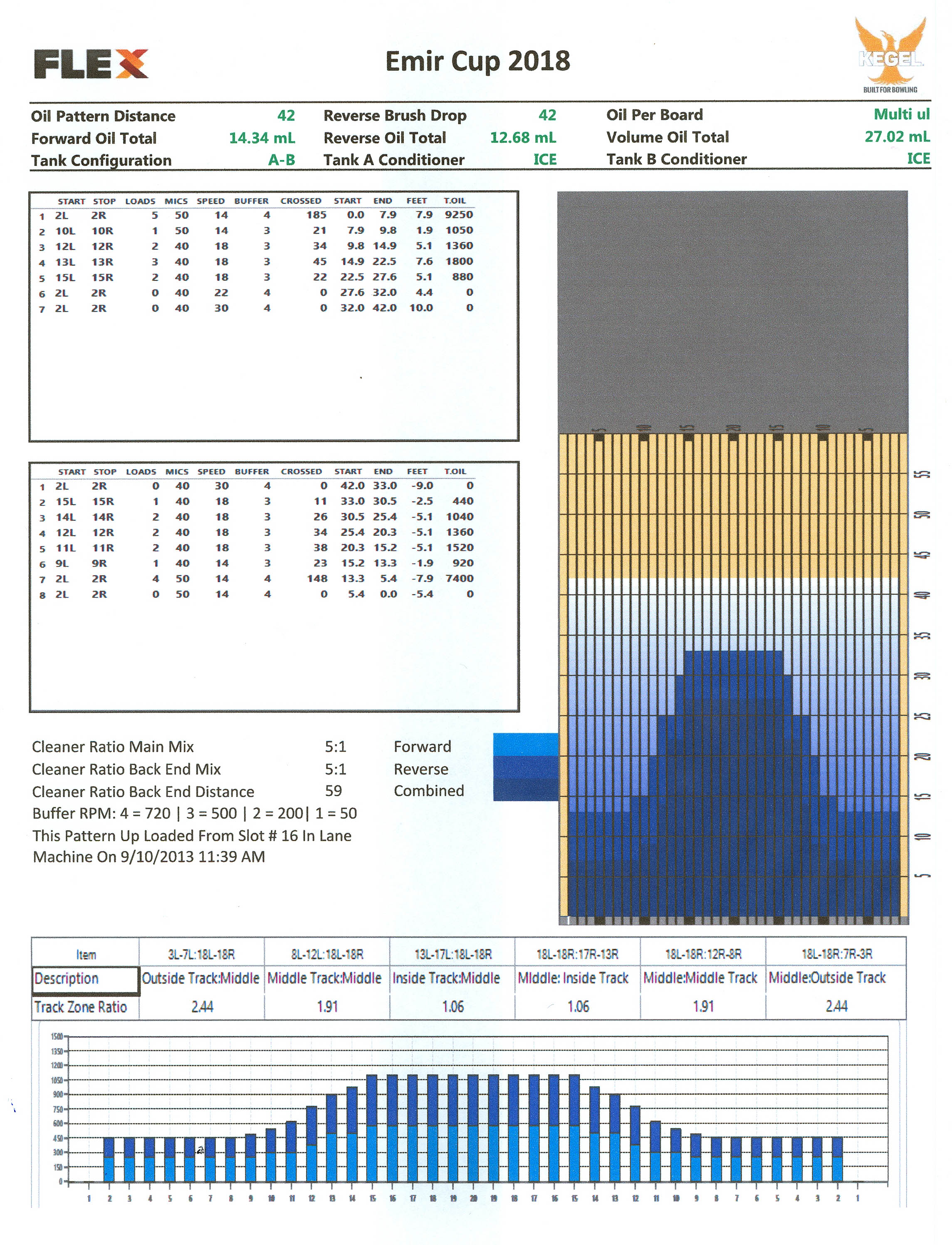
Lane Pattern to our official website!
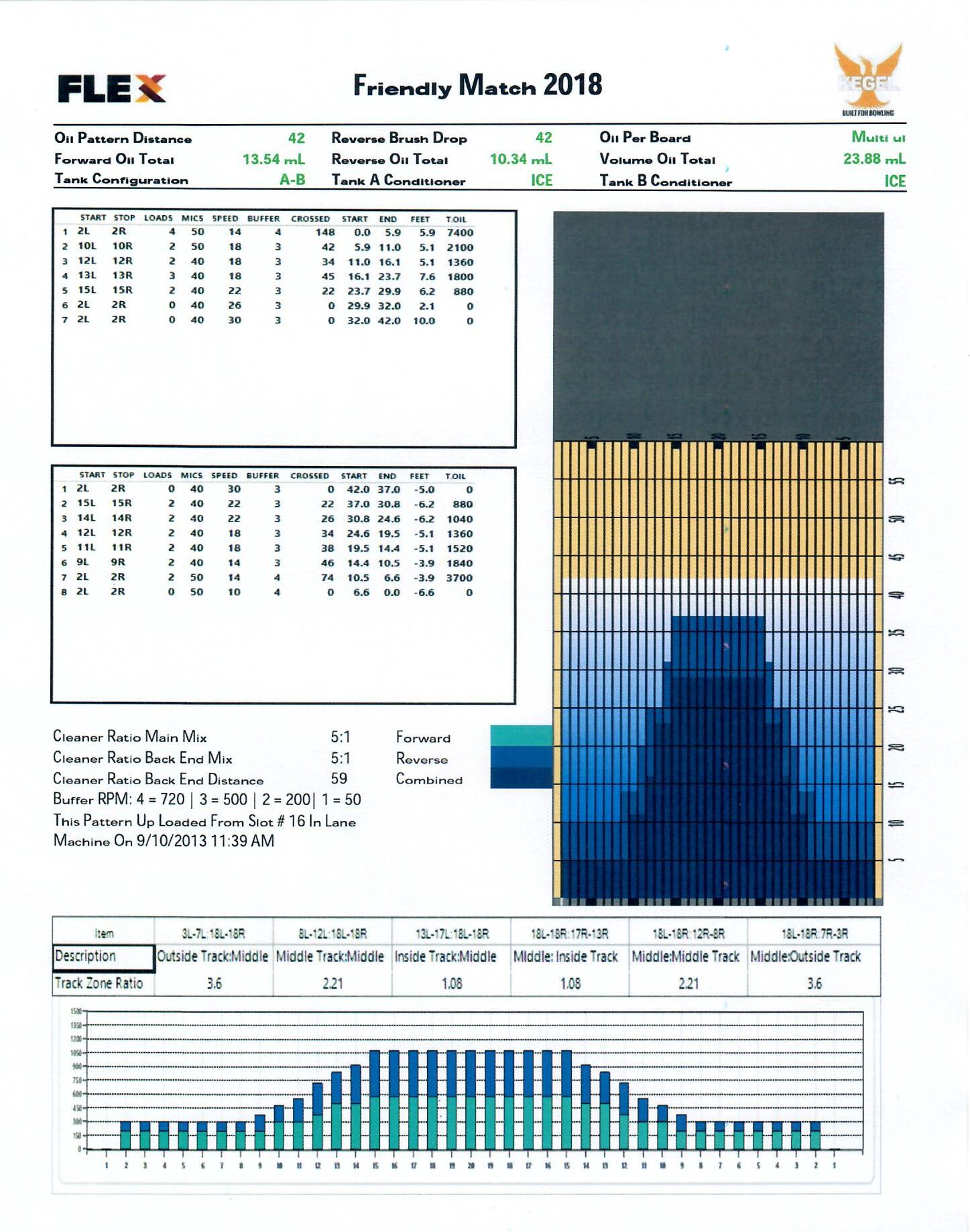
Oiling Pattern to our official website!
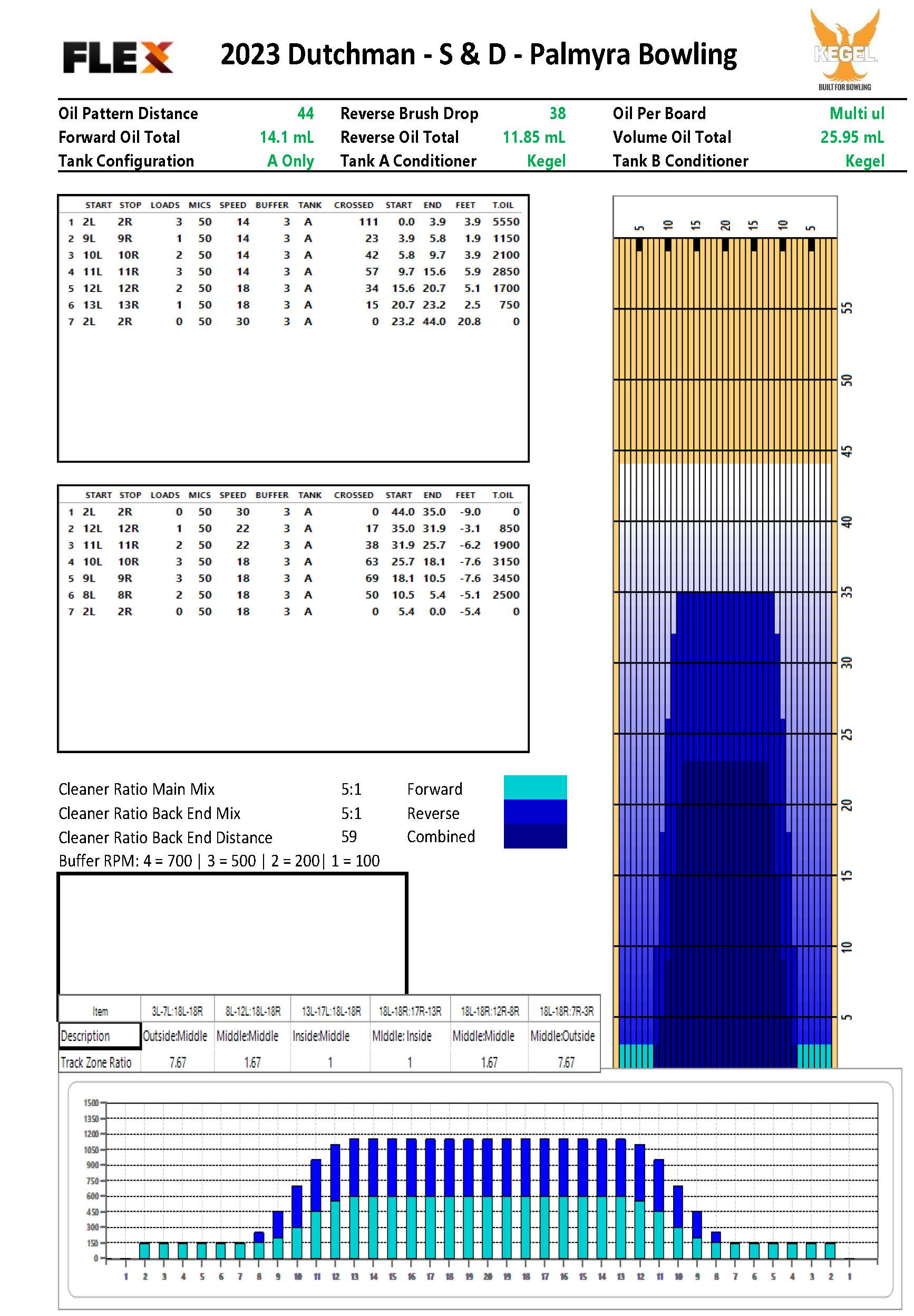
Oil Patterns
/GettyImages-bldcb0412cda_0418-5b1e591aba61770037b1f9cc.jpg)
Standard Bowling "House" Oil Pattern

Bowling House Shot Recognizing Oil Patterns (With images) Bowling
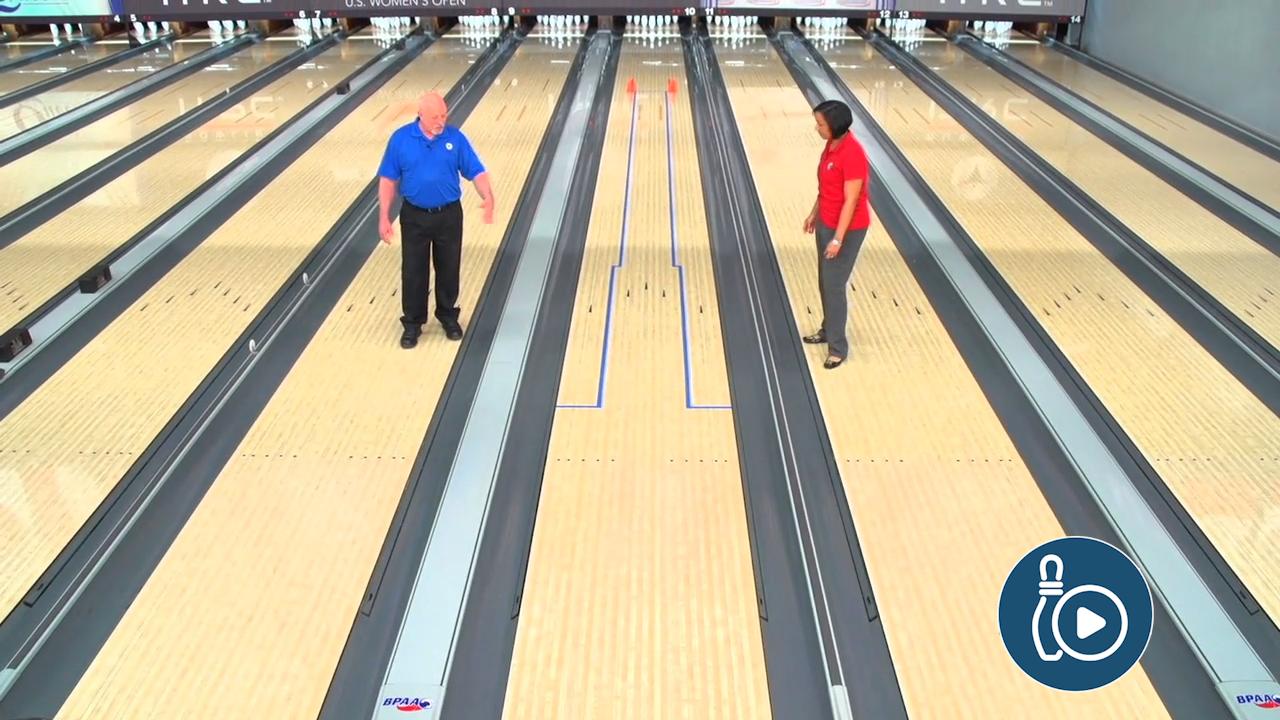
Bowling House Shot Recognizing Oil Patterns National Bowling Academy
House Patterns Vary From Alley To Alley, But The General Idea Is Very Much The Same — More Oil Down The Middle Of The Lane, Less Oil To The Side.
While It Might Vary Slightly From House To House, The General Idea Is The Same:
Web These Include Seminars Focused On Educating Athletes And Their Families Led By One Of Our Team Storm Members And A Practice Session On The Patterns.
These Are The Most Basic Oil Patterns In Bowling.
Related Post: