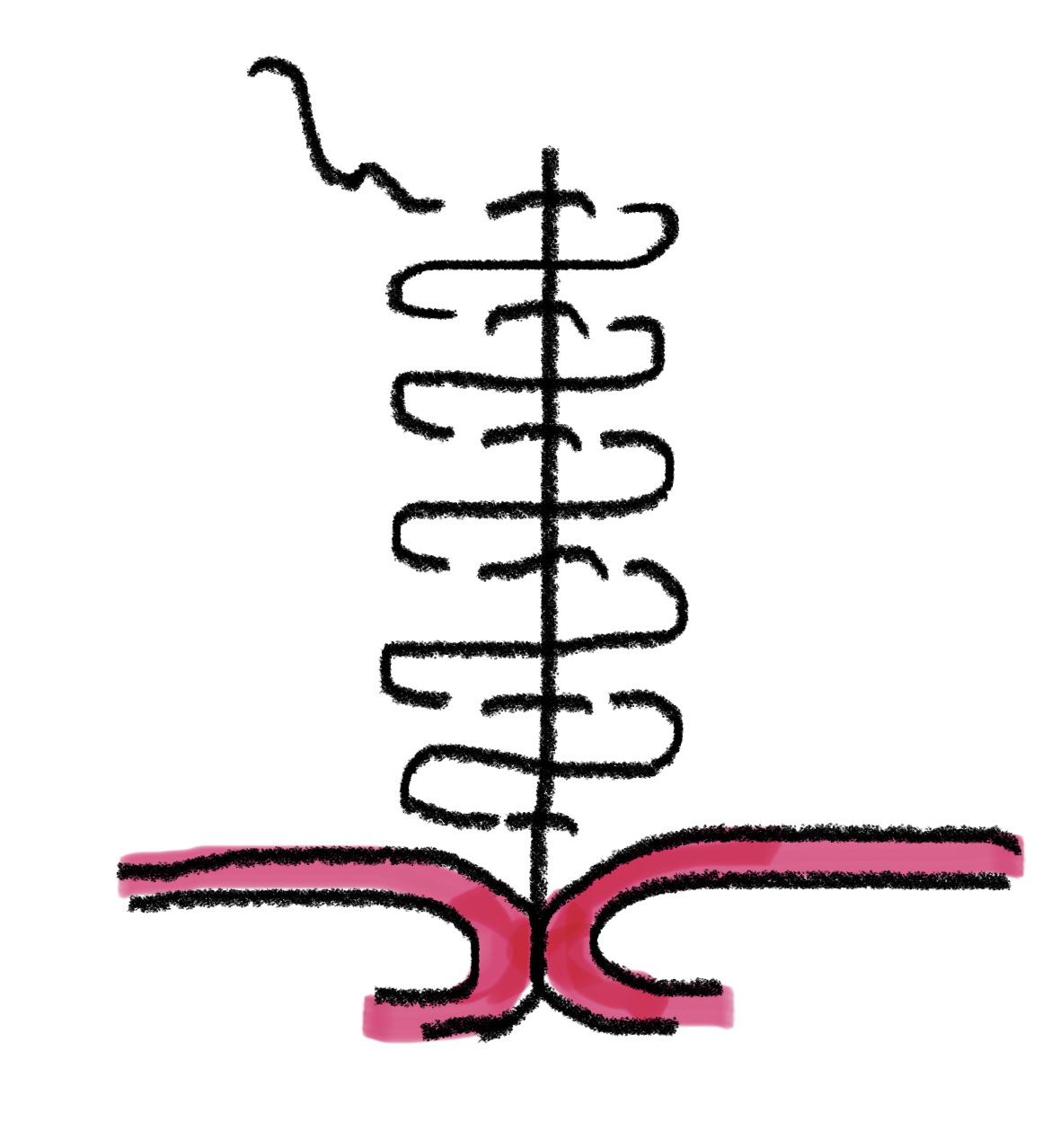
Lembert Pattern Suture
Lembert Pattern Suture - From maureen jay october 6th, 2021. Web using the correct suture pattern will help to restore anatomical alignment of tissues, obliterate dead space, minimize tissue trauma and preserve blood supply to the tissues. The knot should be buried, as shown in figs. Web the use of a specific suture pattern may vary depending on the area being sutured, the length of the incision, the tension at the suture line, and the specific need for apposition, inversion, or eversion of the tissues. As the suture is tightened it inverts the. 1, 2 and 3, in which the suture includes only the. With a fluid motion of the wrist, the needle is rotated superficially through the dermis, and the needle tip exits the skin 2 mm distant from the wound edge on the ipsilateral side. A single layer of cushings sewn over a clamp and tightened as the clamp is removed. The needle is inserted perpendicular to the epidermis, approximately 8 mm distant to the wound edge. With a fluid motion of the wrist, the needle is rotated superficially through the dermis, and the needle tip exits the skin 2 mm distant from the wound edge on the ipsilateral side. Web this study aims to provide a helpful guide to perform tissue suturing successfully using suture coding—a method for identification of suture patterns and techniques by giving full information about the method of application of each pattern using numbers and symbols. Web lembert, therefore, made his suture so as to give the. Web common suture patterns: Web the continuous lembert pattern is often used for closing incisions in hollow viscera such as the stomach, urinary bladder and uterus. This is similar to the vertical mattress suture and is used to repair hollow organs. With a fluid motion of the wrist, the needle is rotated superficially through the dermis, and the needle tip exits the skin 2 mm distant from the wound edge on the ipsilateral side. Web hallow organ closure suture patterncavity closure suture patternsuture technique As the holding layer of an organ is the submucosa, the needle should penetrate only to this depth and never into the lumen (penetration of submucosa but not mucosa). The needle is inserted perpendicular to the epidermis, approximately 8 mm distant to the wound edge. Web continuous lembert suture pattern. Web this study aims to provide a helpful guide to perform tissue suturing successfully using suture coding—a method for identification of suture patterns and techniques by giving full information about the method of application of each pattern using numbers and symbols. With a fluid motion of the wrist, the needle is rotated superficially through the dermis, and the needle tip. Web the use of a specific suture pattern may vary depending on the area being sutured, the length of the incision, the tension at the suture line, and the specific need for apposition, inversion, or eversion of the tissues. Lembert suture learning module on accessemergency medicine. The choice of using interrupted versus continuous suture. Web hallow organ closure suture patterncavity. The needle is inserted perpendicular to the epidermis, approximately 8 mm distant to the wound edge. Web common suture patterns: 4.6 ligatures and suture patterns. An inverting suture for intestinal surgery, used either as a continuous suture or interrupted suture, producing serosal apposition and including the collagenous submucosal layer but not entering the lumen of. These patterns prevent leakage and. This suture technique is used to invert tissue into the hollow cavity helping to prevent leakage of the material inside. Web common suture patterns: Best opportunity for this adhesion of serous surfaces. Web the continuous lembert pattern is often used for closing incisions in hollow viscera such as the stomach, urinary bladder and uterus. The needle is inserted perpendicular to. As the holding layer of an organ is the submucosa, the needle should penetrate only to this depth and never into the lumen (penetration of submucosa but not mucosa). With a fluid motion of the wrist, the needle is rotated superficially through the dermis, and the needle tip exits the skin 2 mm distant from the wound edge on the. The needle is inserted perpendicular to the epidermis, approximately 8 mm distant to the wound edge. Web hallow organ closure suture patterncavity closure suture patternsuture technique The choice of using interrupted versus continuous suture. Web common suture patterns: With a fluid motion of the wrist, the needle is rotated superficially through the dermis, and the needle tip exits the skin. These are used to close lumens in large animal species (intestines, bladders, uteri). 4.6 ligatures and suture patterns. Web in veterinary medicine, the lembert suture pattern is most commonly used when closing hollow viscera such as the stomach, urinary bladder, and uterus in animals. From maureen jay october 6th, 2021. Web inverting patterns turn the cut edges inward and minimize. The needle is inserted perpendicular to the epidermis, approximately 8 mm distant to the wound edge. Web lembert, therefore, made his suture so as to give the. Web common suture patterns: With a fluid motion of the wrist, the needle is rotated superficially through the dermis, and the needle tip exits the skin 2 mm distant from the wound edge. The effect the suture pattern has on wound tension. Web continuous lembert suture pattern. 4.6 ligatures and suture patterns. With a fluid motion of the wrist, the needle is rotated superficially through the dermis, and the needle tip exits the skin 2 mm distant from the wound edge on the ipsilateral side. The needle is inserted perpendicular to the epidermis,. Web common suture patterns: This is similar to the vertical mattress suture and is used to repair hollow organs. Web suture patterns are typically categorised as: These patterns prevent leakage and minimize the risk of adhesions due to exposed suture. Best opportunity for this adhesion of serous surfaces. Web hallow organ closure suture patterncavity closure suture patternsuture technique Web common suture patterns: A small suture material will more likely trigger less inflammation. Web the continuous lembert pattern is often used for closing incisions in hollow viscera such as the stomach, urinary bladder and uterus. Web inverting patterns turn the cut edges inward and minimize exposed suture. Web suture patterns are typically categorised as: This suture technique is used to invert tissue into the hollow cavity helping to prevent leakage of the material inside. Best opportunity for this adhesion of serous surfaces. The bite on each side of the incision is roughly equal to the thickness of the tissue (eg. The effect the suture pattern has on wound tension. With a fluid motion of the wrist, the needle is rotated superficially through the dermis, and the needle tip exits the skin 2 mm distant from the wound edge on the ipsilateral side. These patterns prevent leakage and minimize the risk of adhesions due to exposed suture. It may be used to recreate the alar creases as well as to better define the helical rim, and may. The needle is inserted perpendicular to the epidermis, approximately 8 mm distant to the wound edge. Glycomer 631 (biosyn) or monocryl is a very good choice since it retains 50% of its tensile strength for 3 weeks. Suture patterns can be broadly categorized as interrupted or continuous.
Lembert Suture Pattern YouTube

Lembert Suture Demonstration YouTube
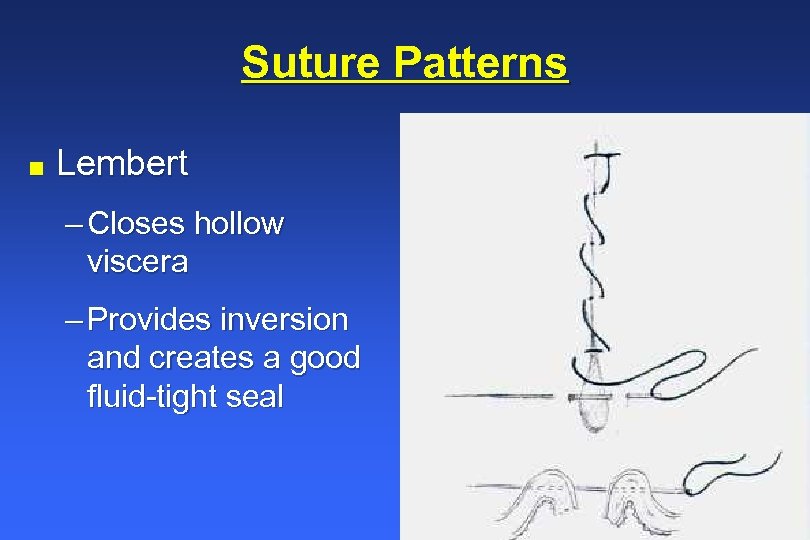
Wound Healing and Suture Knowledge ASR Certification Prep
The Lembert Suture Pattern Application and USES

Continuous Lembert suture pattern. Suture placement is well away from

The Lembert Suture Pattern Application and USES I Love Veterinary
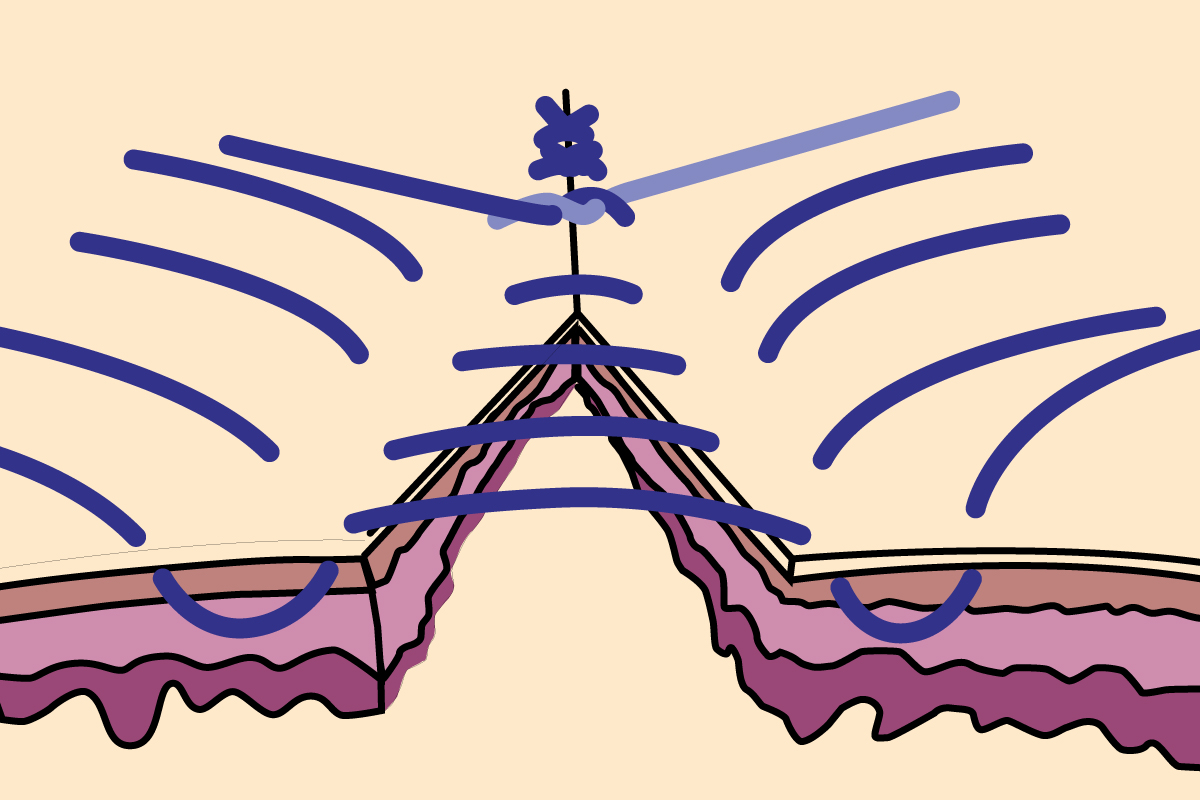
Common Suture Patterns and Suture Techniques EndoGynecology

Lembert Suture Pattern YouTube

Common Suture Patterns and Suture Techniques EndoGynecology

Continuous Lembert suture pattern. Suture placement is well away from
4.6 Ligatures And Suture Patterns.
These Are Used To Close Lumens In Large Animal Species (Intestines, Bladders, Uteri).
Web This Study Aims To Provide A Helpful Guide To Perform Tissue Suturing Successfully Using Suture Coding—A Method For Identification Of Suture Patterns And Techniques By Giving Full Information About The Method Of Application Of Each Pattern Using Numbers And Symbols.
The Needle Is Inserted Perpendicular To The Epidermis, Approximately 8 Mm Distant To The Wound Edge.
Related Post: